LAHORE: The Punjab government has constituted a high-powered committee to look into the mushroom growth of private medical and dental colleges across the province to improve quality of medical education.“Punjab has seen a mushroom growth of private sector medical and dental institutes in the recent past, as nearly 40 medical colleges have been established in the private sector without any regard to need and equity in any particular area,” reads a notification issued by the Punjab government for the establishment of the committee.
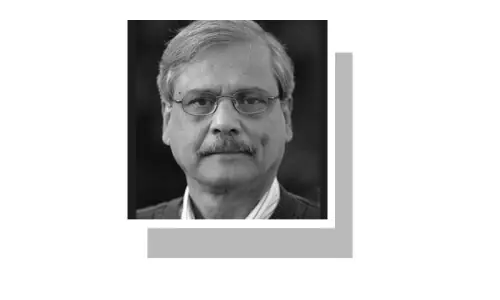
Headed by former Punjab caretaker health minister Prof Javed Akram, the committee comprises heads of the public sector medical universities and colleges.
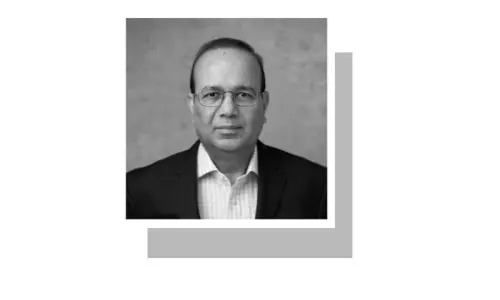
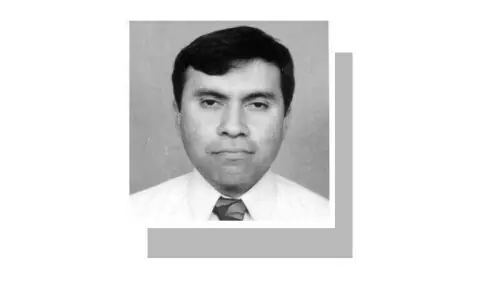
The members included University of Health Sciences (UHS) Vice Chancellor Prof Dr Ahsan Waheed Rathore, Ameer-ud-Din Medical College Principal Prof Sardar Fareed Al-Zafar and Services Institute of Medical Science (SIMS) Principal Prof Dr Zohra Khanum.
Interestingly, one of the members of the committee is also the owner of a private medical college in Lahore, while the private medical and dental institutes have no representation in the body as a sector.
PMA raps new body for having an owner of a private institute as its member
“In addition to the other concerns, the geographic spread of these unchecked and unregulated private institutes merit attention as geographically skewed establishment of medical and dental colleges has also led to a disproportionate distribution of trained human resources across the province,” reads the provincial government notification.
In order to address these issues, it says, the Punjab specialised healthcare and medical education department has developed a Public Private Partnership (PPP) model for the establishment of new medical colleges in the province.
For this purpose, the government constituted a committee to follow the Terms of References (ToRs) notified by the health department to furnish detailed recommendations for the approval by the government.
An official privy to the information says that a total 49 private medical institutes are operating across Punjab. Of these, 32 were medical colleges and 17 dental colleges, he adds.
He says that a majority of these institutes are operating in the provincial capital, with a prime objective of attracting affording students to charge high fees.
Similarly, he says, three private medical and dental institutes are being run in Multan and two each in Faisalabad and Rawalpindi, while one each was operating in Lodhran, Sargodha, etc.
The official says that presently the owners of private medical and dental colleges are charging an average fee of Rs2.2 million annually from a student enrolled for MBBS or BDS programme. So, the total approximate fee that the parents have to pay to a private medical institute for a five years programme (either MBBS or BDS) reaches up to Rs10.1 million, he adds.
The Pakistan Medical Association (PMA) Lahore chapter Secretary general Dr Shahid Malik criticised the committee for having the owner of a private medical college as its member, saying it is a glaring example of “conflict of interests”.
Secondly, he said, the PMA strongly opposes the idea of the public private partnership as provision of medical education is the government’s obligation and it should not be allowed to become a lucrative business.
However, he endorsed the Punjab government’s decision to check the mushroom growth of medical institutes in the private sector.
He lamented that the owners of these institutions were ‘looting’ the students and their parents in the name of medical education by charging exorbitant fees.
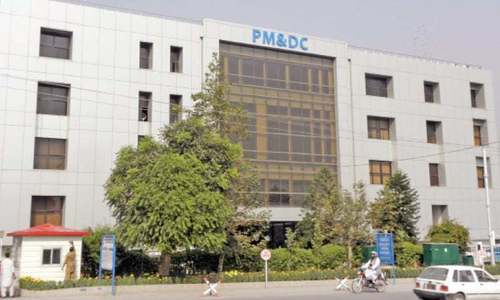
The PMA official also lashed out at the Pakistan Medical and Dental Council for its utter failure to rationalise the fees of private medical and dental colleges.
According to the notified ToRs, the committee shall examine the trends of growth of medical and dental education in the private sector and related issues.
It has been directed to propose PPP model of medical education for its practicability in addressing the challenge.
Similarly, the committee shall examine the international best practices to address the daunting challenges of maintaining quality of medical education and availability of evenly spread skilled human resources.
It shall also identify pros and cons of the proposed model and furnish detailed recommendations as per the given ToRs within 10 days of issuance of the notification.
Published in Dawn, August 29th, 2024