KARACHI: Amid a slight decline in urea offtake in the first seven months of 2024, the fertilizer manufacturers have sought dedicated allocation of Mari Gas for the fertiliser industry.
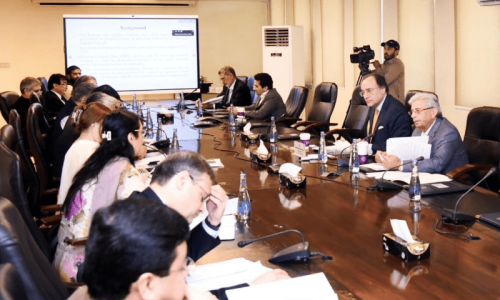
In a proposal to the Ministry of Industries and Production, the Fertilizer Manufacturers of Pakistan Advisory Council (FMPAC) underscored the fertiliser sector’s substantial contributions to Pakistan’s economy.
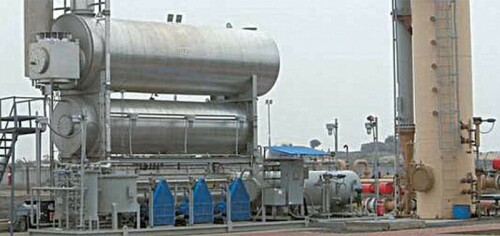
Local plants utilise non-pipeline quality and low-heating value gas for urea production via a dedicated distribution network, an initiative funded by the fertiliser industry with an investment of $0.5 billion.
FMPAC Executive Director Brig (retired) Sher Shah Malik told Dawn that despite these contributions, the sector faces significant risks due to unsecured gas supplies, which impact 30 per cent of the industry and threaten the production of 1.9 million tonnes of domestic urea, which may rise to 2.8m tonnes in the coming decade due to growth of agriculture sector.
The lack of allocated gas could lead to severe economic repercussions, including a potential foreign exchange outflow of one billion dollars to import the shortfall in urea production.
He warned that without a secure gas supply, the future growth and sustainability of the sector are in jeopardy. The continued operation of RLNG-based plants would impose a financial burden of Rs3.8bn per month on the SNGPL Annual Revenue Requirement.
Furthermore, limited product availability could lead to black market trade and hoarding, driving up prices for locally manufactured urea.
To mitigate these risks, Shah said the Council had proposed ensuring that all fertilizer plants receive a dedicated allocation of natural gas. Mari Petroleum Company Limited (MPCL) has the capacity to deliver over 850mmscfd of non-pipeline quality gas to the fertilizer plants. With guaranteed allocation, MPCL will be able to invest further in exploring new fields.
The proposal includes bilateral agreements between MPCL and fertilizer companies, in line with applicable gas pricing policies, ensuring the supply of gas until 2035. This strategy aims to secure Pakistan’s future food security and reduce the Rs20bn cross-subsidy burden on other consumers for the operation of RLNG plants.
Urea, DAP offtake
The country’s urea offtake in July 2024 clocked in at 611,000 tonnes, down 3pc YoY compared to 629,000 tonnes in July 2,023 but it increased by 27pc month on month (MoM) due to seasonality factor.
According to Tanweer Ahmed of Top Line Securities, urea sales in 7M2024 fell by two per cent to 3.648mn tonnes from 3.730m tonnes in the same period in 2023.
Total DAP sales during July 2024 were around 161,000 tonnes, up 43pc YoY and 31pc MoM, taking 7M2024 sales to 706,000 tonnes, up 12pc YoY.
Published in Dawn, August 3rd, 2024