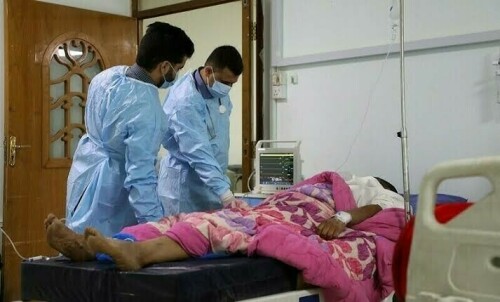
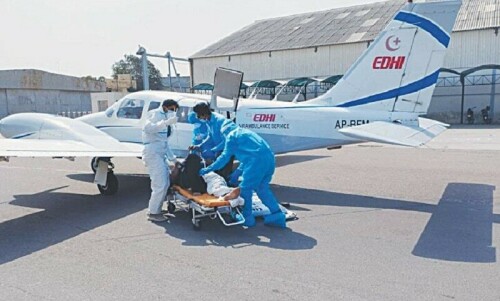
ISLAMABAD: While one Crimean-Congo Hemorrhagic Fever (CCHF) case was reported in Khyber Pakhtunkhwa, the National Institute of Health (NIH) on Wednesday issued advisories for the prevention and control of CCHF, heatstroke, sunstroke and typhoid fever.
The NIH’s Centre for Diseases Control (CDC) has issued multiple advisories with the purpose to sensitise relevant authorities to improve the level of preparedness in prevention and control of CCHF, heatstroke, sunstroke and typhoid fever.
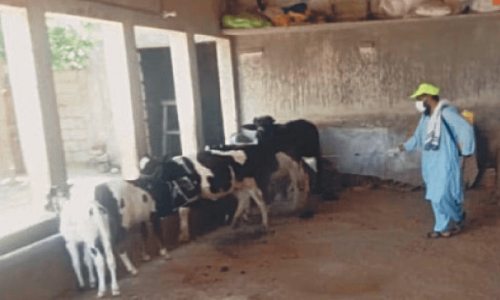
The CDC stated 101 CCHF cases were reported in the country last year. In the wake of high disease transmission and risk due to anticipated increased human-animals’ interaction during upcoming Eid-ul-Azha, it is imperative to be vigilant about the situation and take steps to interrupt the transmission of CCHF.
It explained that CCHF is caused by tick-borne Nairovirus. Animals such as cattle, goats, sheep and hares are carriers of this virus, which is transmitted to people by tick bites or through contact with infected blood or tissues during and immediately after slaughter. CCHF can also be transmitted from infected person to another person by contact with infectious blood, secretions or body fluids, it added.
The advisory for prevention of heatstroke and sunstroke cases mentioned Pakistan was experiencing severe climate changes, including frequent heatwave, due to global warming. Each year the vulnerability and impact of heatwave is increasing, which may result in increased morbidity and mortality due to heat stroke, it mentioned.
It advised people to take immediate measures such as avoiding exposure to direct sunlight, increase in water intake, consumption of salty foods, wearing hats and light-coloured and loose clothes. It says rehydration can prevent the complications of heatstroke.
The CDC says Pakistan is also among the countries, with highest burdens of typhoid fever. Lack of access to safe drinking water, poor hygiene practices and low immunisation coverage surveillance make country at high risk of increased disease burden.
Published in Dawn, May 23rd, 2024