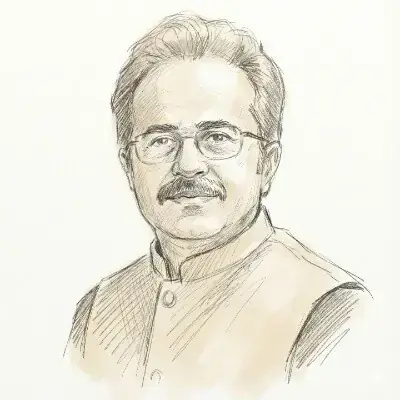
ISLAMABAD: Justice Babar Sattar of the Islamabad High Court (IHC) has strongly reacted against the stopping of lawyers and litigants from entering the courts due to a nationwide strike call issued by the top lawyers’ bodies, terming it as “obstruction of justice”.
Sources privy to the development told Dawn that Justice Sattar wrote a letter to the three-judge administrative committee, drawing attention to the issue of preventing lawyers and litigants from entering the courts due to the strike call.
The strike call was issued to show solidarity with the legal fraternity after what they called disturbing events of Punjab police “brutality against lawyers” who were peacefully protesting the “unlawful divisions” of the civil courts in Lahore.
The Pakistan Bar Council (PBC) and the Supreme Court Bar Association (SCBA) declared Wednesday as black day and issued a full-day nationwide strike call for all courts, including the Supreme Court, high courts, and subordinate judiciary.
Lawyers’ association denies ‘obstruction to justice’ amid PBC, SCBA strike
Due to the strike call, lawyers avoided appearing before the courts, and in some instances, representatives of the legal fraternity canvassed for the boycott of court proceedings.
Litigants whose cases were fixed after months were left at the mercy of the judges.
IHC judges also dismissed several cases for the absence of lawyers.
Sources said that Justice Sattar, in the letter, termed forcibly stopping any lawyer and litigant from appearing before the court as tantamount to creating obstacles in access to justice.
They said that the administrative committee has sought a report from the deputy registrar of security on instances in which lawyers’ representatives forcibly restrained litigants and their fellow colleagues.
However, a court official said that there was not a single complaint either from lawyers or litigants that their access to justice has been denied due to the lawyers’ strike.
IHCBA President Riasat Ali Azad, when contacted, said that lawyers issue strike calls to peacefully agitate against the high-handedness of the state or other groups. He said the absence of a lawyer because of a protest was not an obstacle, as the litigant could appear before the court.
Mr Azad pointed out that the court summons are very clear; they categorically state that the litigant can appear in person or through an attorney, adding that the petitioners were not under any obligation to attend the court proceedings.
Published in Dawn, May 12th, 2024