0
0

ISLAMABAD: Speakers at a seminar called for an evidence-based approach and a revival of the “probation law and mechanism for persons charged with minor drug use” to save them from harsh punishments and unnecessary jail terms.
The first-ever conference organised by the Justice Project of Pakistan (JPP) titled ‘Reimaging Justice: Public Health and Human Rights Centred Drug Policy’ was attended by Law Minister Azam Nazir Tarar, Justice Mansoor Ali Shah, and EU Ambassador to Pakistan Riina Kionka among others.
In his remarks at the first plenary session on ‘exploring proportionate sentencing for drug-related offences’, Justice Mansoor Ali Shah emphasised the importance of adopting a human-rights-based approach to drug policy, a statement issued by the JPP said.
“The criminalisation of drug use has disproportionately impacted the marginalised communities and perpetuated cycles of poverty and discrimination,” Justice Mansoor said, adding that, “it is imperative to shift towards policies that prioritise rehabilitation”.
The senior puisne judge said there was a need to “revive the probation law and mechanism for persons charged with minor drug use” to put an end to unnecessary jail terms.
“Probation for drug offences has been barred since the 2022 amendment to Pakistan’s drug law,” the judge said.
In response to the concerns raised by the SC judge, the law minister pledged to introduce an “effective probation mechanism for persons charged with drug offences”.
Speaking at the session, Federal Minister Tarar said the federal government would work in harmony and “cooperate with international stakeholders to perform its international duties”.
According to the minister, in consultation with the interior ministry, the law [to remove the death penalty for drug-related offences] that has been amended by the parliament is an excellent decision in the correct direction. The government of Pakistan will work in harmony and cooperate with international stakeholders to perform its international duties, he added.
In her remarks, EU Ambassador to Pakistan Riina Kionka called for a “needs-based approach to addressing the global drug problem”.
The EU envoy insisted that the drug policies must be “health-based and respect human rights”.
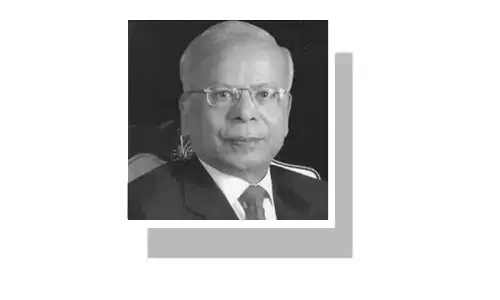
Former judge Masood Khan highlighted the need for more “in-depth training” with the justice stakeholders. “We need to stop sentencing for deterrence, and start to sentence for rehabilitation,” the statement quoted him as saying.
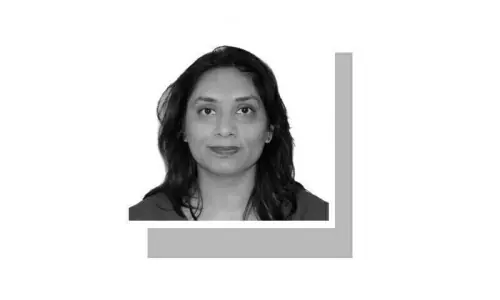
Justice Project Pakistan Executive Director Sarah Belal called for reforms in the drug policies and advocated a shift away from “punitive approaches” to “evidence-based strategies” to prioritise the health of individuals and communities.
Dr Rai Mohammad Khan from the Federal Judicial Academy demanded an “immediate restoration of parole and probation for drug offences”, calling them “imperative”.
Former commissioner of the Sri Lankan Human Rights Commission Ambika Satkunananthan said sentences in such cases must be “proportionate, respectful of human rights, and given by a judge after a fair trial”.
Published in Dawn, April 24th, 2024