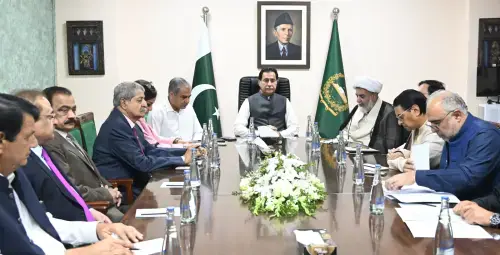
ISLAMABAD: Secretary Health Iftikhar Ali Shallwani has reaffirmed Pakistan’s commitment to ending polio and called for continued support and stronger global partnerships to help Pakistan reach the key milestone.
He was addressing a special session on polio eradication on the sidelines of Unicef’s executive board meeting through video link. The special session was aimed to shore up support for childhood vaccinations across member states and to mark 50 years of the Expanded Programme on Immunisation (EPI), which was launched globally in 1974 to combat communicable diseases through systematic mass vaccination efforts.
According to a statement, highlighting the instrumental role of mass vaccinations in reducing childhood mortality and protecting millions from diseases like measles and polio, Mr Shallwani said: “Childhood vaccination rates in Pakistan have significantly increased since the launch of EPI. Today, endemic polio is restricted to a small region in southern Khyber Pakhtunkhwa with only six reported cases last year, which is a testament to our progress.”
He said Pakistan’s target remained zero cases and the country was much closer to this goal than ever before.
“Challenges such as insecurity, access issues and refusals persist, hindering our progress. But our tenacity and resilience, coupled with strong partnerships, drive us forward,” he said.
The health secretary also highlighted the strong synergy and partnership between the country’s EPI and Polio Eradication Programme to reach children with life-saving vaccines, adding that continued support to strengthen EPI was needed to help sustain zero polio after eradication.
He also called for global solidarity and continued support from partners like Unicef.
“I want to thank Unicef for being a champion of public health in Pakistan and for standing by us during the highs and lows. Together, we can make polio eradication a historic legacy.”
Polio is a highly infectious disease caused by poliovirus mainly affecting children under the age of five years. It invades the nervous system and can cause paralysis or even death. While there is no cure for polio, vaccination is the most effective way to protect children from this disease.
Each time a child under the age of five is vaccinated, their protection against the virus is increased. Repeated immunisations have protected millions of children from polio, allowing almost all countries to become polio-free besides the two endemic countries of Pakistan and Afghanistan.
Published in Dawn, February 11th, 2024