US retaliatory strikes in Iraq, Syria claim 40 lives


 0
0


• Tehran calls attacks ‘adventurous, strategic mistake’ by Washington
• Baghdad summons US charge d’affaires to deliver formal protest
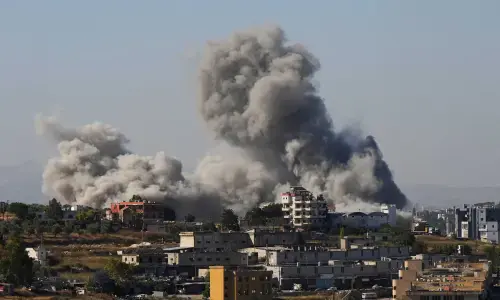
WASHINGTON: The United States launched air strikes in Iraq and Syria against more than 85 targets linked to Iran’s Revolutionary Guard (IRGC) and militias it backs, reportedly killing nearly 40 people, in retaliation for a deadly attack on US troops.
The strikes, which included the use of long-range B-1 bombers flown from the United States, were the first in response to the attack last weekend in Jordan by Iran-backed fighters, and more US military operations are expected in the coming days.
The strikes intensified a conflict that has spread into the region since the Oct 7 Gaza conflict.
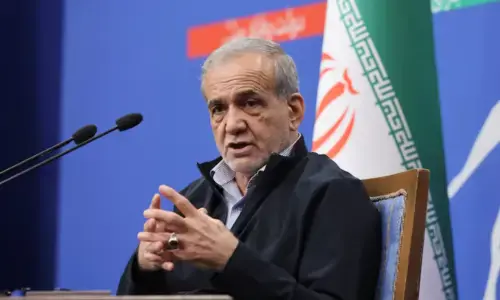
Iran’s foreign ministry spokesperson Nasser Kanaani said in a statement the attacks represented “another adventurous and strategic mistake by the United States that will result only in increased tension and instability”.
Iraq summoned the US charge d’affaires in Baghdad to deliver a formal protest.
Iraq’s Popular Mobilisation Forces, a state security force including Iran-backed groups, said 16 of its members were killed, including fighters and medics. The government earlier said civilians were among 16 dead.
In Syria, the strikes killed 23 people who had been guarding the targeted locations, said Rami Abdulrahman, director of the Syrian Observatory for Human Rights, which reports on war in Syria.
US Lieutenant General Douglas Sims, the director of the Joint Staff, said the attacks appeared to be successful, triggering large secondary explosions as the bombs hit “militant weaponry”.
He said the strikes were undertaken knowing that there would likely be casualties among those in the facilities.
Despite the strikes, the Pentagon has said it does not want war with Iran and does not believe Tehran wants war either, even as Republican pressure has increased on US President Joe Biden to deal a blow directly.
US Defence Secretary Lloyd Austin said after the strikes that Biden had directed additional action against the IRGC and those linked to it. “This is the start of our response,” Austin said.
Published in Dawn, February 4th, 2024