ISLAMABAD: The government on Thursday cited weaknesses in watch and ward, work prosecution, collaboration, presence, operations, and monitoring as reasons for smog in different cities of Punjab.
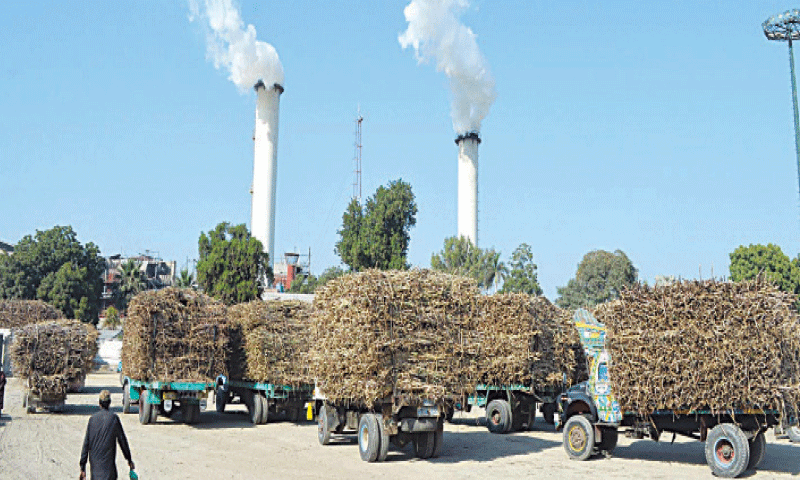
“A significant portion of pollution was due to emissions from increasing traffic, mostly diesel trucks,” an official from Ministry of Climate Change and Environmental Coordination informed a parliamentary committee.
A meeting of the Senate Standing Committee on Climate Change was held Parliament House with Senator Seemee Ezdi in the chair.
The committee members emphasized the need for addressing smog in various cities of Punjab.
The committee chairperson initiated the discussion by pointing out that this critical matter was often considered only when it was too late.
Officers from the Ministry of Climate Change and Environmental Coordination provided a briefing on the factors contributing to air pollution in cities in Punjab.
They presented their legal and institutional framework for smog prevention and control. They also highlighted weaknesses in watch and ward, work prosecution, collaboration, presence, operations, and monitoring.
The Ministry of Climate Change and Environmental Coordination officers admitted some industries in the north of Lahore violated their standardised procedures. They mentioned their forward strategy involved strengthening field officers, presence, drone surveillance, improved and timely reporting, and daily debriefing sessions.
They initiated the Eco Watch Android App for accurate mapping of irritants, ensuring daily monitoring of actions, and tracking pollutant footprints. They also reported implementing 80pc effective emission control to reduce black smoke.
The committee chairperson expressed that despite these efforts, fog persisted in the region, suggesting a possible flaw in the implementation of their methodology.
Officers concluded that local pollutants such as transport, fugitive dust, and uncontrollable dry sweeping contributed to environmental degradation.
Senator Dr Mohammad Humayun Mohmand highlighted that the issues were not being addressed correctly, with progress stagnant compared to the previous year. He recommended a reassessment of the monitoring of the Air Quality Index (AQI).
Senator Taj Haider also suggested a clear policy for transportation to mitigate pollution issues.
Furthermore, the Secretary of the Ministry of Climate Change and Environmental Coordination Asif Haider Shah provided a briefing on COP28, explaining that Pakistan, the UAE, the Philippines, and Saudi Arabia were elected for the Loss and Damage Fund.
Published in Dawn, December 22nd, 2023