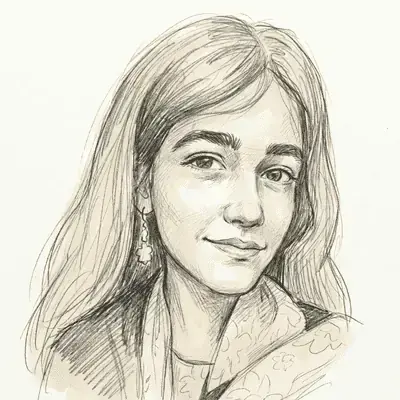
KARACHI: A day after delivering the annual Nelson Mandela lecture where she said that the rulers of Afghanistan had virtually made it a crime to be a girl, Nobel laureate Malala Yousafzai called on all countries of the world not to normalise ties with Afghanistan and “make sure that they stand by Afghan women”.
In an interview with Dawn.com on Wednesday, when asked how she thought Pakistan should proceed in its relations with its neighbour, she said: “My message to all countries, including Pakistan, is that they should not normalise relationships with Afghanistan and [not] completely ignore the gender apartheid that is happening there.”
She said it was especially important for Pakistan “to take a stand here because it also poses a risk to the women in Pakistan as well”.
She highlighted the importance of Pakistan “using its role to build pressure on the Taliban to make sure that the protection of girls’ rights and women’s rights […] are non-negotiable conditions in any conversation”.
Pakistan called upon to pressure Taliban to ensure respect for women’s rights
Malala clarified that she was not saying Pakistan “should not have a dialogue” or negotiations, but that it was “really critical” that the conversations prioritised the voices of Afghan women and girls.
Deportation ‘taking away education’ from Afghan girls
In October, Malala had urged Pakistan to “reconsider its rushed policy of mass deportation” of undocumented immigrants, the majority of whom are Afghans.
Speaking to Dawn.com, she said she was “deeply heartbroken by Pakistan’s recent decision” which would have many families deported back to Afghanistan, including those who “recently escaped from the oppression of the Taliban”.
Malala stated she was “deeply concerned” about Afghan girls being sent back to Pakistan because of the bans on education placed there.
“Pakistan is actually not only displacing them, but it is also taking away education and other rights away from them,” she asserted.
The UN’s Messenger of Peace further said that a lot of the women being displaced were activists who were facing threats and “needed safety and security”.
“At the same time, it also includes families who have been living in Pakistan for more than 20-30 years and it includes children and young people who were born in Pakistan.”
Malala said it was “important for Pakistan to understand its role as a neighbouring country, but also the commitments it has made at the international level”.
A detailed version of this interview can be accessed on Dawn.com
Published in Dawn, December 7th, 2023