THE Chitral region of KP has been in the headlines of late due to the Sept 6 deadly cross-border incursion in which a large band of TTP militants reportedly crossed over and attacked Pakistani positions before being pushed back into Afghanistan.
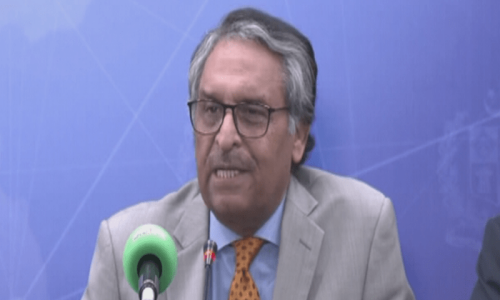
Though the authorities have not given any numbers, the raiders were reported to be in the ‘hundreds’. The interim foreign minister insists this was an “isolated incident” and that the Afghan Taliban rulers did not sanction the attack, while the Foreign Office has repeated the mantra that Pakistan’s concerns have been communicated to the relevant quarters in Kabul.
State functionaries may be giving the impression that all is well in the region, but more information is needed on the exact details of the attack, while the local people need to be reassured that their lives and properties will be protected by the state.
Chitral lies in a strategically sensitive area, bordering Afghanistan and with only the Wakhan Corridor separating it from Tajikistan. China’s Xinjiang region is also in the vicinity.
This makes it an attractive location for transnational jihadists looking to expand their operations, even though Chitral itself has largely been shielded from terrorist activity.
Moreover, the region is culturally, linguistically and ethnically distinct from the rest of KP. While Swat and erstwhile Fata suffered the most during earlier waves of terrorism, Chitral managed to weather the storm. The area where the incursion took place is close to the traditional lands of the Kalash people, and Chitral also has a significant Ismaili population.
Therefore, the state needs to beef up security in the area, as the banned TTP and sectarian militants thrive on targeting minority communities. While there have been reports of small-scale infiltration from Afghanistan, the last major incursion occurred in 2011 when reportedly a very large number of terrorists staged attacks, leading to several fatalities among security men.
Simply expecting the Afghan Taliban to ‘do more’ may not be enough, especially when there is speculation that some Taliban factions may actually be encouraging attacks within Pakistan.
The best option is for the military to provide iron-clad security to all vulnerable border regions, and ensure that no groups are again able to violate Pakistan’s territory.
A jirga in Chitral has asked the army chief to visit the area, and called upon the authorities to fence the border with Afghanistan.
Reports indicate that the Afghan Taliban had started relocating TTP fighters from the border area; the process must be sped up so that this ever-present threat on the country’s frontiers is neutralised.
The terrorist threat on the borders must be handled proactively. In the past, the country has suffered immensely by allowing malevolent actors to establish fiefdoms on Pakistani territory. This mistake must never be repeated.
Published in Dawn, September 11th, 2023