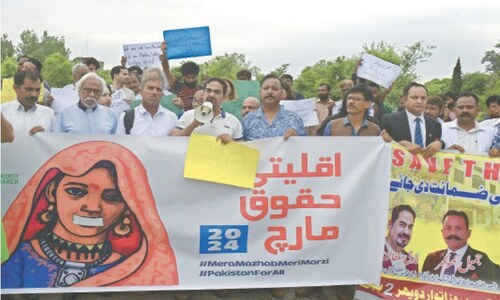
HYDERABAD: Participants in a policy dialogue have expressed serious concern over government’s utter disregard for the rights and well-being of sharecroppers, landless peasants and rural farm workers, livestock and fisheries sectors in Sindh.
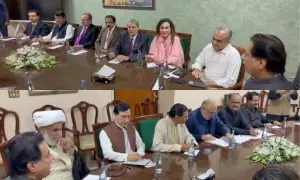
They were speaking at a dialogue organised by the Hari Welfare Association (HWA) in Nawabshah on Thursday.
HWA president Akram Ali Khaskheli said that although Sindh had introduced several laws aimed at protecting the rights of peasants and rural workers, they remained unimplemented.
He referred to Sindh Tenancy Act of 1955, Sindh Bonded Labour System (Abolition) Act of 2015, Sindh Agriculture Worker Women Act of 2019 and Sindh Industrial Relation Act of 2013. Unfortunately, these laws remained dormant and a large majority of peasants, particularly sharecroppers and rural workers, faced abject poverty, crippling debt bondage and persistent malnutrition, he said.
Although district vigilance committees responsible for overseeing the enforcement of the Sindh Bonded Labour System (Abolition) Act, had been established and notified in 19 out of 29 districts, they remained dysfunctional, he said.
Dr Yaseen Morojo, a lecturer at the Shaheed Benazir Bhutto University (SBBU), said that rural women were marginalised and deprived of fundamental rights, and there was no health and safety measure, and awareness for cotton picker women.
They were paid less than minimum wages, which was against the law while literacy ratio among rural women was very low; there was dire need to educate girls.
Haleema Kolhi, a peasant, said that her colleagues were living in miserable conditions and they did not have houses to reside.
She said that there was no transparent and proper accounting system of crop expenditure and income. Landlords charged unnecessary and extra costs on fertiliser, pesticides and seeds, holding them in debt bondage, she said.
She said the peasants producing wheat were facing hunger; they were producing cotton, but their children were living in poverty.
She said the event provided invaluable opportunity to stakeholders to voice concerns, share insights and exchange experiences related to multifaceted challenges affecting peasants and rural workers in the region.
The participants advocated implementation of laws through localised mechanisms which were crucial to ensure equitable dispensation of justice and protection of rights to the impoverished peasants and rural workers who often found themselves marginalised by powerful landlords, contractors and influential groups such as agriculture-input selling mafias.
Published in Dawn, August 25th, 2023