Crematorium fills up as heatwave scorches northern Indian town

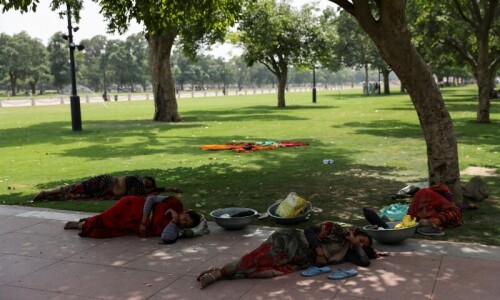
A Hindu priest in northern India says the number of bodies brought to a crematorium by the River Ganges has doubled in the past week as a heatwave ravages parts of the country.
“The situation here changed in the last four to five days. It reached 25 to 30 bodies and people were here day and night in the heat,” said the priest, Rajesh Pandey, who performs last rites at the crematorium.
The chief medical superintendent for Ballia, SK Yadav, confirmed a surge in admissions at the main district hospital and said an investigation was underway to determine the cause of deaths.
“The patients who came here already had some comorbid conditions and were in terminal stages,” Yadav said, without giving the number of deaths.
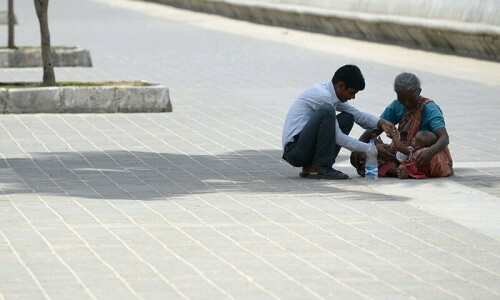
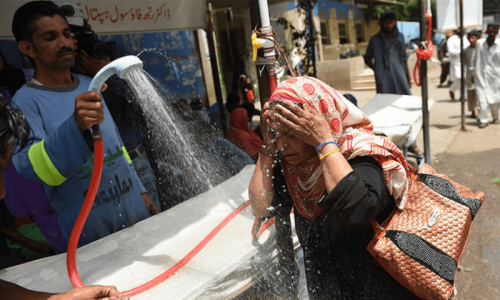
The Indian Express newspaper reported that the hospital has recorded at least 80 deaths since June 15 as temperatures soared to nearly 45 degrees Celsius in the region, before clouds brought some respite on Wednesday.
The deaths in Ballia have triggered a row as the government of its home state, Uttar Pradesh, replaced a district health official for saying that they were due to the heat.
On Wednesday, distraught patients lay in front of cooling fans in a packed hospital ward.
Brijesh Yadav, 28, said he rushed his 85-year-old grandfather to the hospital on Tuesday after he complained of difficulty in breathing.
“Doctors are saying this happened because of the heat,” he said.
State Chief Minister Yogi Adityanath has directed officials to avoid unnecessary power cuts and buy additional power if needed.
In neighbouring Bihar state, at least 50 people have died due to heat-related illnesses, broadcaster NDTV reported. Bihar government officials did not respond to phone calls.
India has an average of five to six heatwave events annually over its northern parts between March and June and sometimes until July, according to the World Health Organisation.
A study by the University of Cambridge researchers found that deadly heatwaves, fuelled by climate change, in 2022 made almost 90 per cent of Indians more vulnerable to public health issues, food shortages and increased risk of death.