Kyiv up in arms as Russia takes over UNSC presidency


 0
0

MOSCOW/KYIV: Russia has taken over the presidency of the UN Security Council, despite repeated requests from Kyiv to other members to block the move.
The last time Moscow held the chair was in February 2022, when its troops launched a full-scale invasion of Ukraine. The security council’s presidency rotates every month between 15 members.
During its presidency, Russia would hold little influence on decisions but be in charge of the agenda. The Kremlin said on Friday it planned to “exercise all its rights” in the role, while the United States a day earlier had urged Russia to “conduct itself professionally” when it assumes the role, admitting that there was no means to block Moscow from the post.
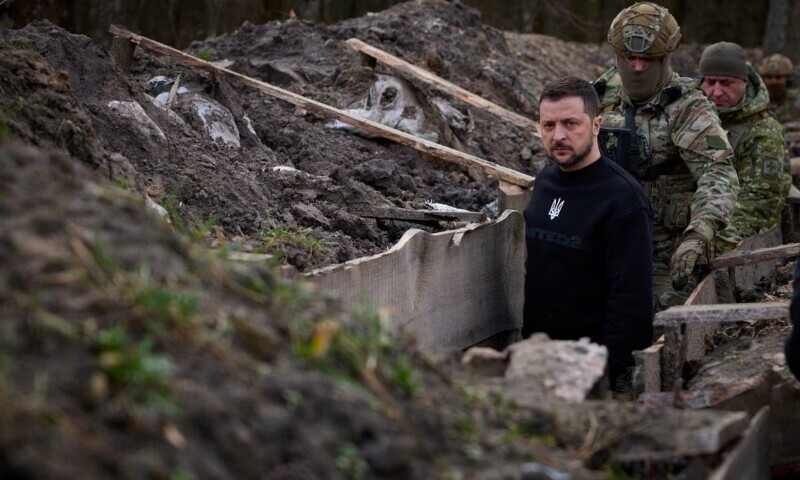
However, Ukraine’s Foreign Minister Dmytro Kuleba, in a statement at the start of Russia’s tenure of the body’s rotating presidency, said Russia’s presidency of the UN Security Council for the month of April is “a slap in the face to the international community”. He said: “I urge the current UNSC members to thwart any Russian attempts to abuse its presidency.”
A country that invades its neighbour has no place on UNSC, says White House spox
On Twitter, the foreign minister called Russia “an outlaw on the UNSC”. He had earlier called the Russia’s security council presidency ‘a bad joke’.
Also, the United States has criticised Russia’s role and its permanent seat on the Security Council. “A country that flagrantly violates the UN Charter and invades its neighbour has no place on the UN Security Council,” White House spokesperson Karine Jean-Pierre said earlier. However, she added, Russia was a permanent member of the security council, and no feasible international legal pathway existed to change that reality. She also said the presidency was “largely a ceremonial position.” On the other hand, Moscow has said Foreign Minister Sergei Lavrov is planning to chair a UN Security Council meeting on “effective multilateralism”.
FM Lavrov would lead a debate on the Middle East on April 25, a spokeswoman for the Russian foreign ministry, Maria Zakharova, added. The UN Security Council is an international body responsible for maintaining peace. Five nations — Russia, the UK, the US, France, and China — are permanently represented on the Security Council. They reflect the post-war power structure that held sway when the council was formed while working alongside 10 non-permanent member countries.
Being a permanent member of the Security Council, Russia can veto resolutions. To pass a Security Council vote, there must be nine votes in favour, with none of the five permanent members voting against.
In February last year, Russia vetoed a resolution that intended to end the Russian invasion of Ukraine.
Published in Dawn, April 2nd, 2023