0
0

KARACHI: Foreign exchange reserves of the State Bank of Pakistan (SBP) have increased to $4.3 billion after the inflows of $500 million from China, but the currency market reacted negatively as the dollar appreciated by more than Rs3 in the interbank on Thursday.
The SBP reported that its reserves increased by $487m during the week ended on March 3 to $4.301bn. The total liquid foreign reserves held by the country stood at $9.754bn.
The central bank’s reserves have witnessed a steep fall over the past year, falling from more than $17bn in February 2022 to below $3bn in early February this year.
However, the reserves have now edged higher to $4.3bn on the back of recent Chinese help of $1.2bn.
No other country has moved forward so far to help Pakistan to improve its reserves, as the government has been struggling to resume a stalled IMF bailout package.
Dollar jumps to Rs282.3 in interbank and Rs284 in open markets; central bank’s holdings increase to $4.3bn
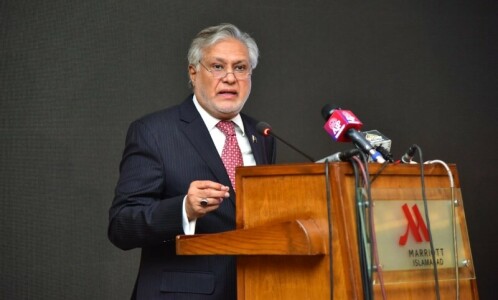
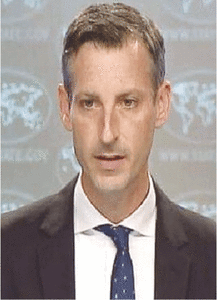
The US spokesperson on Thursday advised the Pakistani government to continue talking with the IMF. The Fund looks not interested in early releasing the $1.1bn tranche as it has asked Pakistan to arrange $7bn for debt servicing during the current fiscal year. However, Finance Minister Ishaq Dar said on Thursday the country was “very close” to signing the staff-level agreement with the IMF.
Meanwhile, the rupee dropped for the second day in a row, losing 1.13 per cent to the dollar to close at 282.30 in the interbank market, the SBP said.
The currency dealers in the interbank and open markets were unsure whether the rupee would improve even after inflows from China or the IMF.
Malik Bostan, chairman of the Exchange Companies Association of Pakistan, linked the rupee’s depreciation on high demand for dollars.
He said the smuggling of dollars had reduced significantly, but Pakistani importers were importing goods for Afghanistan. “These duty-free imported goods are available in each store in Pakistan,” he said, adding that many stores might not have wheat flour, but they have every kind of imported goods.
He said the dollar was trading at Rs284 in the open market, but the Kabul rate was around Rs290.
Many importers who can’t get their letters of credit opened with SBP’s approval buy dollars from the grey market at much higher rates. The cost of imports is high, but the importers don’t pay duty as it is imported for Afghanistan, which has no duty and returned to Pakistan through the porous border between the two countries.
Published in Dawn, March 10th, 2023