0
0

ISLAMABAD: The courts can play a key role in countering the impact of climate change, participants of a two-day conference on human rights law observed on Thursday.
The event, organised by the Justice Project Pakistan, began on Wednesday and featured addresses by distinguished academics, lawyers, diplomats and United Nations officials. They dwelt on topics like pre-trial and post-trial detention, rights of persons with disability, gender justice and child rights.
Speaking on “Climate Justice”, Justice Yousuf Ali Sayeed of the Sindh High Court said the impact of climate change could not be termed natural disasters because humanity itself was to blame for it. He contended that since the United States, China and India were more responsible for climate change than other countries, they should contribute generously to funds instituted for assisting the most badly affected nations cope with the upheaval.
Justice Sayeed said courts across the world had given judgements to offset the impact of climate change, recalling that oil companies had been told to reduce their emissions.
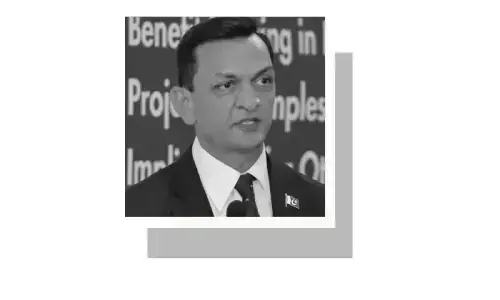
In his note of welcome on day one, Law Minister Azam Nazeer Tarar said the “Constitution empowers the superior judiciary and the lower courts to uphold the rights of everyone in Pakistan and to ensure the rule of law”.
The minister’s address was followed by that of acting Australian High Commissioner Joanne Frederiksen. “This conference is important not only to highlight the progressive efforts being made by Pakistan’s judiciary towards aligning Pakistan’s judicial practice with its international obligations, but also to underscore the importance of sensitising and training as many stakeholders in the justice system as possible regarding the importance of international law,” she said in her opening remarks.
Justice Ali Baqar Najafi of the Lahore High Court came up with a sage advice that “prisoners are not to be hated. They are victims of society”.
Speaking about disability rights, Justice Syed Shahid Bahar of the Azad Kashmir High Court said “the Constitution treats all citizens equally”. “Why then differently abled persons face discrimination in society,” the judge mused.
Justice Jawad Hassan of the Lahore High Court remarked that “Pakistan has numerous economic, social and cultural rights in its Constitution, and they are being upheld and provided to the people more and more each day. New judgements are coming out every day and courts are proactive in upholding these rights”.
Justice Chaudhry Abdul Aziz of LHC spoke on “criminalising torture” on Thursday, the second day of the conference. “Judicial confession, if proved not to have been recorded voluntarily, is discarded. Laws mandate courts to ensure any confession made is voluntary,” Justice Aziz observed.
In his closing remark, Justice Anwaar Hussain of the LHC said “we need to be crystal clear on enforcement of human rights: there can be no justice without honesty.
“Honesty about the responsibility, honesty about the actions required and honesty about the speed with which we need to act upon, whether it’s justice for the people with disabilities or the enforcement of social, economic and cultural rights or those who have been under detention and, last but not the least, climate justice.”
Published in Dawn, October 21st, 2022