WHO worried over rise in malaria cases among displaced people


 0
0


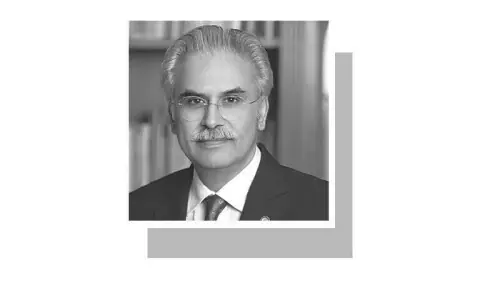
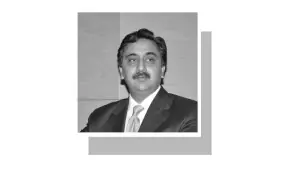
DADU: World Health Orginisation country head Dr Palitha Gunarathna Mahipala has expressed his concern over increasing malaria cases in flood-hit areas of Sindh, and said the next 20-30 days were crucial in curbing the disease.
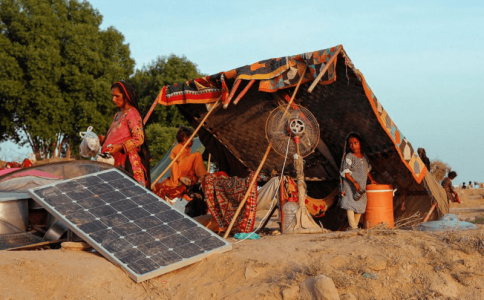
Dr Mahipala, along with its two teams of experts arrived in Dadu and preside over a meeting with health officials in the office of the district health officer (DHO) Dr Shahid Shaikh on Sunday. He also visited Dadu Civil Hospital and the tent city for the internally displaced people (IDPs) set up along Dadu bypass.
Dr Saran and Dr Asif Zardari are part of the WHO team. DG Health Dr Mohammad Juman Bahoto, Pakistan Medical Association (PMA) Dadu president Dr Amjad Hussain Mastoi and others attended the meeting.
It discussed malaria cases in Dadu, Khairpur Nathan Shah and Mehar talukas.
Dr Mahipala pledges establishment of ‘nutrition and stabilisation centre’ at Dadu Civil Hospital
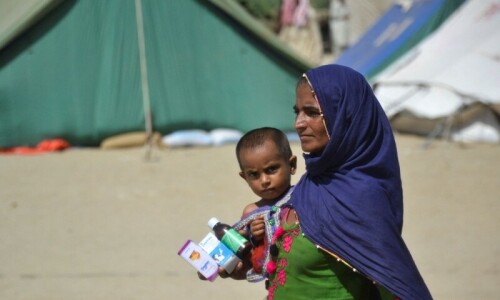
Dr Mahipala directed WHO experts and health officials to conduct screening for malaria at all relief camps and in affected villages. He said that all relevant medicines should be made available there in adequate quantity.
He noted that respiratory infection cases among flood-hit people were also increasing and feared to further increase as winter was approaching. He said medicines and mobile medical teams would be sent to villages to provide healthcare services to people. WHO experts and other doctors would assist the health department in coping with the situation, he added.
Dr Mahipala announced that a ‘nutrition and stabilisation centre’ (NSC) would be established at the paediatric ward of the civil hospital where all possible health facilities would be provided to patients.
DHO Shaikh briefed the WHO team about the services already being provided to the affected people. He said that 89 out of 93 health facilities in the district KN Shah, Mehar, Johi and Dadu talukas were fully functional. He said that the KN Shah Taluka Hospital and three other health facilities in this and two other taluks, Johi and Mehar, were still under floodwaters.
He said that 298,734 patients had been provided treatment in flood-hit areas since Aug 27 for which 1,967 medical camps had also been established.
He said that malaria screening of 28,400 people had been conducted and of them 6,235 were found confirmed cases. He said that around 39,000 diarrhoea cases were treated. He said that 44 deaths were caused by different diseases and most of them were malaria cases. He said that the death rate had increased since September.
Dr Mahipala also inaugurated a reverse osmosis (RO) plant at Dadu Civil Hospital on Sunday.
Speaking at the ceremony, he said that 3,000 to 5,000 liters of clean and fresh water per hour would be supplied to patients through this plant.
Published in Dawn, October 17th, 2022