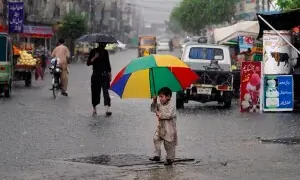
PAKISTAN is facing major difficulties in mobilising the funds it desperately needs for flood relief, yet the government remains strangely unfazed by its stalling effort to secure climate reparations from major global polluters.
With government representatives taking a back seat, even countries that had pledged to help are now acting slowly to make good on their promises. Meanwhile, our leaders, who had recently been patting themselves on the back for fighting Pakistan’s case abroad, now seem more occupied with other matters. This is dangerous complacency, as the window to secure global support for flood rehabilitation efforts is closing fast, and the government cannot squander the opportunity as it simply does not have the resources to deal with the catastrophe on its own.
The situation is doubly alarming considering both the State Bank and the Ministry of Finance are already basing their economic decisions on the expectation that the country will receive grants and funds, which so far do not look very likely to materialise.
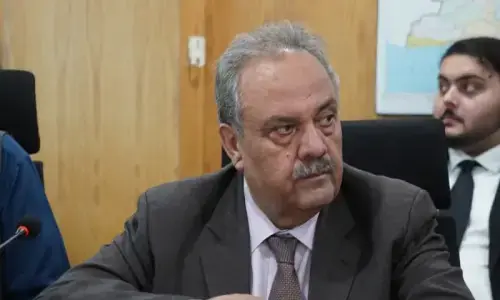
On Wednesday, United Nations Humanitarian Coordinator Julien Harneis expressed serious concerns regarding available funding in his weekly briefing in Islamabad. The same day, most of our lawmakers failed to show up for a long-delayed debate on the flood situation in the National Assembly.
Read: ‘Cancel my debt, I’m flooded’
“We have not yet seen enough funding for health, nutrition and safe water,” Mr Harneis worried. “This is absolutely a challenge, and there remains a major gap. The Unicef, which is very much involved in the health and nutrition of young children, is not receiving funding at this time of crisis.” The UN humanitarian coordinator said only around $90m had been committed so far to Pakistan’s flood relief efforts by UN member states, despite an appeal for $816m launched last week.
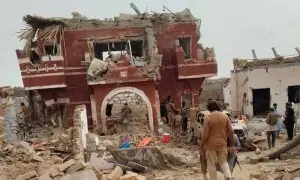
While a formal assessment of flood-related damages has yet to be completed, it has been estimated that Pakistan has suffered more than $30bn in losses. Considering that the exchequer does not have much in it, recovery can be expected to take a long, long time if aid remains this slow to materialise.
Yet that has not stirred the lawmakers occupying the lower House of parliament. The National Assembly has, in this week alone, twice failed to hold a debate on the flood situation. Despite 100 or so cabinet members and parliamentary secretaries, lack of quorum has forced postponement both times.
PPP MNA Ghulam Ali Talpur was not wrong when he said that a picture of the nearly empty assembly should be sent to the UN as a sample of our leaders’ commitment to their people.
Does our government expect foreign aid and assistance to just walk in? Do our leaders not realise that they will condemn hundreds of thousands of people to abject poverty if they fail to secure enough resources to compensate for their losses?
Published in Dawn, October 14th, 2022