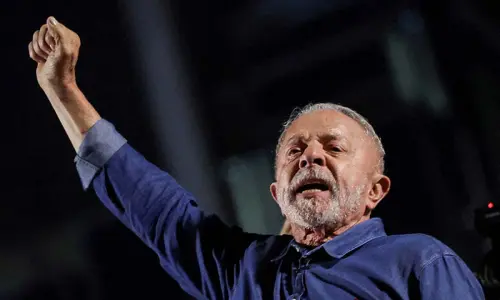
NAIROBI: Veteran opposition leader Raila Odinga on Monday challenged Kenya’s presidential election results in the Supreme Court and alleged the tally had involved “criminality”, sharpening a political contest gripping East Africa’s powerhouse.
In the petition, Odinga asks the court to nullify the vote’s outcome on several grounds, including a mismatch between the turnout figures and the result, and alleges the election commission failed to tally ballots from 27 constituencies, rendering the result unverifiable and unaccountable.
“We have enough evidence to prove all of the criminality that occurred,” Odinga told a news conference after the filing. “We are confident that in the end, the truth will be revealed.” This is Odinga’s fifth stab at the presidency; he blamed several previous losses on rigging. Those disputes triggered violence that claimed more than 100 lives in 2017 and more than 1,200 lives in 2007.
Last week the election commissioner declared Odinga’s rival, Deputy President William Ruto, had won the Aug. 9 election by a slim margin, but four out of seven election commissioners dissented, saying the tallying of results had not been transparent. The commission, its chairman and Ruto have four days to respond to Odinga’s claims through court filings.
Last week Odinga said the results were a “travesty” but said he would settle the dispute in court and urged supporters to remain peaceful. His supporters have said the results were the outcome of intentional fraud by election authorities. The election commission has denied any wrongdoing.
In 2017, the Supreme Court overturned the election result and ordered a re-run, which Odinga boycotted, saying he had no faith in the election commission.
This time, Odinga is backed by the political establishment. President Uhuru Kenyatta endorsed Odinga’s candidacy after falling out with Ruto after the last election.
At stake is control of East Africa’s wealthiest and most stable nation, home to regional headquarters for firms like General Electric, Google, and Uber. Kenya also provides peacekeepers for neighbouring Somalia and frequently hosts peace talks for other nations in the turbulent East Africa region.
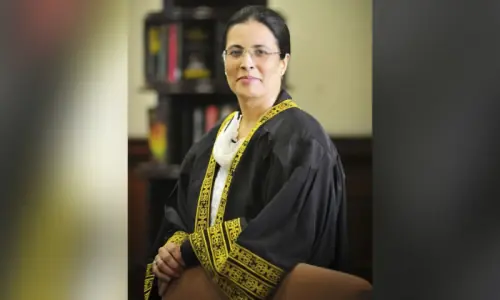
The case will be heard by the seven-member Supreme Court and presided over by Martha Koome, Kenya’s first female chief justice, who was appointed by Kenyatta last year.
Published in Dawn, August 23rd, 2022