LAHORE: Power regulator Nepra has assured the textile industry of reviewing wheeling charges against cheaper power generation facilities to be set up by the industry under the Competitive Trading Bilateral Contract Market (CTBCM) scheme.
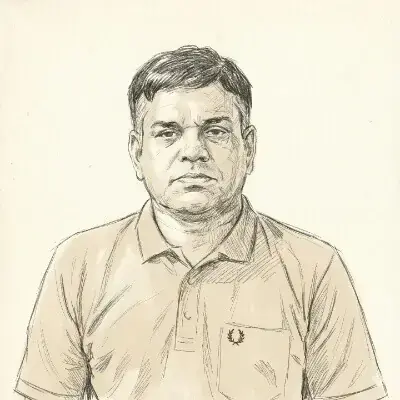
“Both the industry and Nepra representatives should sit together and calculate judicious wheeling charges to make them acceptable for both sides,” Nepra chief Tauseef H. Farooqi proposed in a session with the members of All Pakistan Textile Association (Aptma) on Saturday.
During the session, Aptma chief Rahim Nasir said the industry believed that the necessary cost of wheeling charges should not be more than 1.5-2 cents.
The concept of wheeling, i.e. using a distribution company’s system to transport electricity, has existed in Pakistan for many years. Nepra in November 2020 approved a plan comprising 18 months leading to the CTBCM in a bid to shift the existing electricity market into a broader open market that can allow both buyer and seller to bilaterally procure and supply electricity by leaving the existing arrangement where the consumers have no option but to buy power from distribution companies (Discos).
In June, the authority launched the CTBCM scheme — a new model under which any of the bulk power consumers (one megawatt and above) may come out of the system of Discos and procure electricity from the officially approved or designated power suppliers in the open market.
The new arrangement also allows Discos to buy electricity from the open market and supply it to their customers through their distribution system (11kV to 132kV).
On the occasion, Aptma members urged the Nepra chairman to save the industry from unnecessary costs to keep it viable under the challenging economic environment of the country. They also emphasised converting the present arrangement with independent power producersof “take or pay” to “take and pay” with IPPs to get rid of the outstanding Rs1.4 trillion capacity charges.
The authority chief said that business-to-business (B2B) transactions can be facilitated under the CTBCM scheme, as the distribution companies (Discos) must transmit merchant power generation to industrial facilities through Discos’ systems under the B2B arrangements.
On being informed that there was no acceptable merchant power available in the country, the chairman suggested that the industry should come forward and install power generation stations to avail the facility through wheeling charges of eight US cents or so.
Published in Dawn, July 31st, 2022