THE fact that the visit of a senior citizen from India to her ancestral home in Rawalpindi made news speaks volumes for the level of difficulties involved in the Pakistan-India visa process. Perhaps in most other countries if a foreigner were to visit the land of one’s roots it would be a routine affair. But not so in the subcontinent.
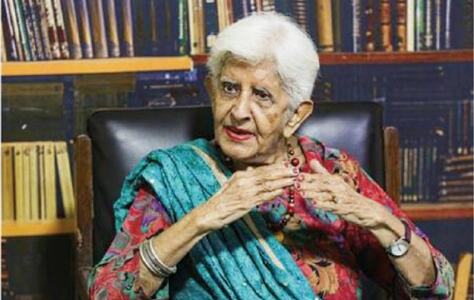
Reena Varma, who left for the other side with her family when she was a teenager, received a warm welcome when she arrived at her ancestral house in the garrison city. Ms Varma had been trying for decades to secure a visa, and only succeeded after the intervention of a Facebook group dedicated to Pakistan-India friendship and Pakistan’s minister of state for foreign affairs.
The generation that witnessed the partition period and still has memories of it is fast fading. Many of those who are left, on both sides of the border, want to catch a glimpse of their ancestral hometown before they leave this world. They should be facilitated on humanitarian grounds by both the governments, despite the latter’s mutual mistrust. Earlier this year, there was a touching story about how two brothers separated at partition were reunited through the Kartarpur Corridor.
Read: Indian woman wants visa regimes eased to facilitate people on both sides of border
Along with senior citizens, many divided families also face a torturous process obtaining a visa for the other country. While India does allow visa on arrival for those over 65, seniors need to have a voluminous ream of documents with them in order to be allowed in, including a sponsorship certificate from an Indian citizen. This cumbersome process basically negates the concept of visa on arrival. As for divided families applying to visit India, the paperwork requirements are equally complex, while even Pakistanis with foreign passports need to go through a tedious, lengthy procedure.
Pakistan also requires extensive documentation for Indians wanting to visit this country, while police reporting requirements on both sides add an unwanted, unfriendly layer of bureaucracy to the journey. Perhaps the toxicity that has characterised bilateral ties for the past 75 years can be reduced somewhat if people are allowed to travel easily between the two countries. The process should definitely be made easier for senior citizens whose birthplace now lies beyond the border of their country of citizenship, as well as for divided families. Perhaps if travel restrictions are eased, both states can one day replace hatred and mistrust with a more civilised, neighbourly relationship.
Published in Dawn, July 24th, 2022