8
8

IT is a record that the new government would have wished to see remain unbroken. Inflation in the month of June smashed through the 20pc ceiling for the first time since December 2008, registering at a bruising 21.3pc for the month. A weakening of the rupee — caused in part by the new government’s policy uncertainty and waffling statements regarding the resumption of the IMF programme — added to woes by inflating the cost of imports even further.
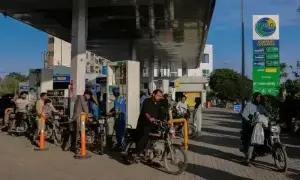
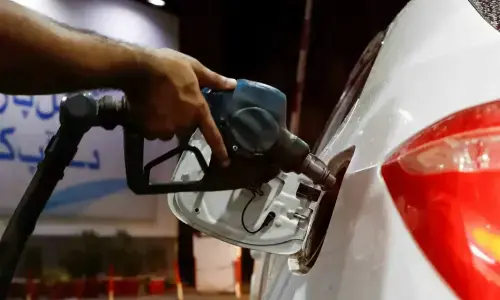
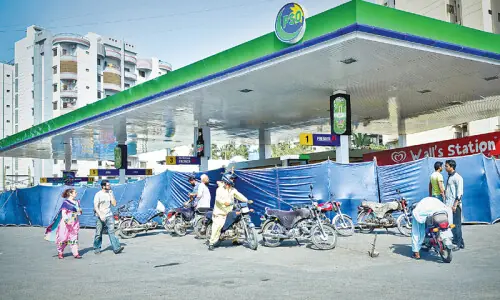
The 13-year inflation peak came on the back of runaway fuel prices, which — as part of measures to woo the IMF — were unfettered from an unsustainable price cap imposed by the PTI government in late February.
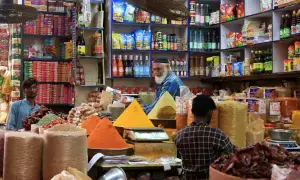
Worryingly, food inflation registered a staggering 25.9pc increase over the previous year, threatening the food security of those most vulnerable to inflationary shocks. There has been a major crisis due to an edible oil shortage following an export ban imposed on the commodity by Indonesia, the world’s largest exporter of edible oil. Ghee and cooking oil prices were rising nearly on a weekly basis at one point as hoarders and miscreants sought to take advantage of the demand-supply shortfall in the absence of any regulatory oversight by the government.
Read: Price gouging adds to ‘double whammy’ of hike
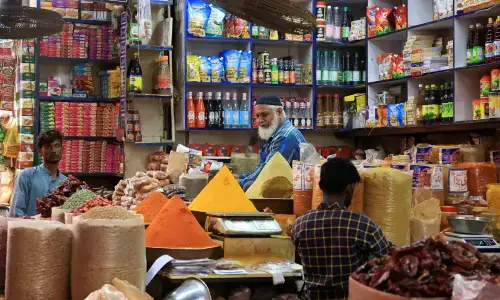
Not only edible oil, traders also looked to take advantage of the prevailing uncertainty to jack up prices of meat, fruit and vegetables in both urban and rural centres as the government failed to put in place any regulatory mechanisms to prevent price-gouging. What should really worry the government is that food inflation in rural areas surged to 27pc year-on-year last month, putting major pressure on rural incomes during a time when most crops remained extremely water-stressed and depleted. A wheat shortage is also looming on the horizon, which is likely to make it even more costly for the average citizen to eat.
The economy is going through a painful adjustment at the moment and all markets are in disequilibrium as demand and supply adjust to inflationary pressures. Some sellers are seeking to take advantage of the prevailing disorder by creating artificial shortages or jacking up prices based on different pretexts. Economics dictates that prices will eventually reach a rational level as buyers adjust their spending and sellers realise they cannot continue to make unnatural profits during an economic downturn.
However, the government cannot give profiteers and hoarders a free hand till the markets reach a new equilibrium. Global market conditions may be uncontrollable, but oversight of local markets is still very much in the state’s domain. The government must act in coordination with the provinces to take strict action against exploitative practices and protect citizens’ interests where it can. Taking a back seat during a period when the average citizen is being crushed under unprecedented economic pain could prove politically disastrous for the PML-N and its allies.
Published in Dawn, July 3rd, 2022