0
0

LAHORE: After wheat losing 15 to 20 per cent yield to untimely heatwave, the farmers now fear an equal drop in maize yield as the crop comes under multiple pest attack, temperatures impacting the grain formation and water stress taking its toll.
The farmers are reporting triple attack by fall armyworm, mites and aphid. Of all three, mite attack is turning out to be widespread, more dangerous and may claim ultimate toll on the crop, they think and claim that it came after the crop had suffered pollination problems due to heatwave since mid-March.
“The crop suffered from the very beginning when its germination period fell right in the middle of an extreme heatwave and there has been no relief ever since,” claims Naeem Hotiana – a maize grower from Pakpattan district. With it came equally damaging water stress.
Pest attack, heatwave, water stress cited as main reasons for squeezed crop
Though some farmers were able to irrigate with tubewell at a very heavy cost, yet watering offered limited relief because of scorching heat. It affected the pollination process and affected grain formation.This weakened crop then came under three-pronged pest attack. Right now, three pests – armyworm, aphid and mites – are damaging the crop to varying levels, which might translate into around 20pc loss for the final yield, he fears and quantifies the damage: “The spring maize usually averages around 100 maunds per acre (a progressive farmer’s performance estimate) and if it goes down by 20pc, farmers would be in financial trouble in corresponding measure. Coming after wheat loss, it would certainly damage farmers.”
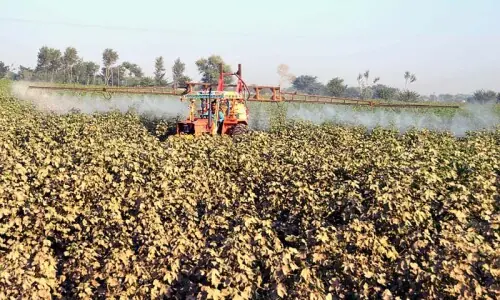
The pest warning system of the Punjab government concedes pest attack but denies that it has hit the threshold level. The fall armyworm attack is much more widespread and is being reported from the entire province, especially in the central Punjab (Sahiwal and Pakpattan) and the South Punjab (Lodhran, Multan etc.). Aphid attack is also reported in some areas. “This pest was first reported in 2019 in limited area. It, however, multiplied at Malthusian rate in next two years to the extent that it was recognised as a regular pest last year, and the Punjab is strategizing safety measure,” explains an employee of the Punjab Pest Warning wing.
Similarly, the aphid attack is also being reported but not as widespread as fall armyworm’s. Luckily, however, both of them have not crossed economic threshold level and may not hit final yield figures as being claimed by farmers, he hopes and claims that the department has already issued advisory to farmers to deal with the situation through sprays.
Nevertheless, heat damages might be there but it is too early to assess the damage. The crop is hidden from the naked eye as grains are wrapped and can only be assessed after harvesting and threshing. So, the current farmers’ estimates might not hold in the final stage. But, pest attack, water stress and heat impact would certainly take its toll, he concedes.
Published in Dawn, May 17th, 2022