PAKISTAN’S teetering economy is projected by the IMF to grow by 4pc this fiscal year through June, and slightly faster during the next. That is just about the only silver lining in the dark clouds of fiscal and external crises gathering over the nation’s economic horizon.
The numbers for the twin fiscal and current account deficits and headline inflation don’t look as ‘promising’ as the growth forecast. But do these projections matter when the economic future of 220m people is uncertain and the country faces daunting political and foreign policy challenges?
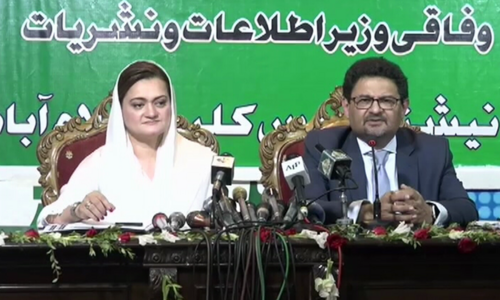
Indeed, we may come out of the immediate economic crisis — we always do temporarily. The IMF will restart its funding programme, hopefully sooner rather than later, although we will have to swallow many bitter pills — some now and others after the next budget — as indicated by the new finance minister, Miftah Ismail, in his press conference. Other multilateral lenders will follow IMF’s lead.
Mr Ismail has already left for Washington to ‘renegotiate’ the programme and secure the stuck-up tranche of nearly $1bn. Bilateral lenders are also expected to roll over their loans and ‘safe’ deposits that have been parked with the State Bank. Many of our problems will be taken care of by others before the next budget. But the question is whether the ruling class has what it takes to end our periodic ‘boom-and-bust’ cycles and put the economy on a sustainable growth trajectory to alleviate poverty and create jobs.
Read: Lessons from Lanka — How can Pakistan's policymakers avoid economic pitfalls?
Expecting the incumbent coalition rulers to take tough decisions is asking too much from them. Fears of a political backlash have kept them from rolling back the unsustainable freeze that the PTI government had announced on energy prices, despite Mr Ismail’s calling the move “totally ill-advised and illogical”.
The IMF also wants the removal of this cap because the subsidy is deepening the fiscal crisis. It shows that the coalition will probably focus more on firefighting and managing short-term challenges in the months ahead, before a caretaker set-up takes over the reins to oversee the next elections. Nobody wants to ruin their electoral chances at a time when the new opposition is pressing for immediate elections.
Unfortunately, Pakistan’s political parties do not have much of a record in executing long-term governance and economic reforms. If the economic experiments of the previous government teach us anything, it is that quick fixes don’t work. If the economy is to be pulled out of the low growth rut it is currently stuck in, then tough choices will have to be made.
Even though the coalition government has a tight time frame to work in, it is just enough to set a long-term direction for the economy. Inaction, even for a brief period, is not an option for the incumbent administration or, for that matter, the next elected dispensation.
Published in Dawn, April 22nd, 2022