ISLAMABAD: The International Atomic Energy Agency (IAEA) has said that new and updated nuclear safety regulations in Pakistan have significantly updated and strengthened nuclear and radiation safety in the country.
The agency’s Integrated Regulatory Review Service (IRRS) team, which recently completed its mission in Pakistan, however noted a few areas where challenges remain, including a continued focus on decommissioning, spent fuel management and radioactive waste disposal, according to an IAEA press release.
The team visited Pakistan at the government’s request and concluded an eight-day follow-up mission earlier this month to review the country’s implementation of recommendations and suggestions made during an initial IRRS mission in 2014. The follow-up mission was hosted by the Pakistan Nuclear Regulatory Authority (PNRA).
The team found that improvements in Pakistan’s regulatory functions and activities had improved nuclear safety by enhancing the development of regulations and strengthening arrangements for regulatory inspections, authorisations, emergency preparedness and response, occupational radiation protection and environmental radiation monitoring.
Encourages continued focus on radioactive waste management
However, they noted that while a national policy is in place for the safe management of radioactive waste and spent fuel, decommissioning and waste disposal, Pakistan would benefit from more active involvement in international cooperation in this area to gain from the shared experiences of other countries.
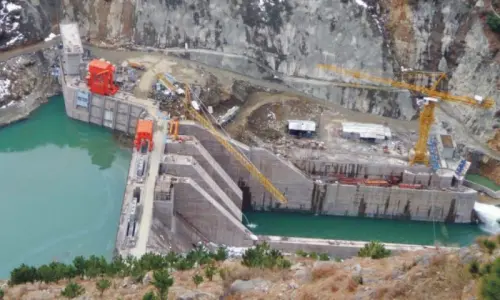
The mission reviewed the regulatory framework for all civilian facilities and activities using radiation in Pakistan. The country has five operating nuclear power reactors, providing over seven per cent of its electricity, with one additional reactor due to become operational this year. It also has two research reactors and uses sealed radiation sources in medical and industrial applications.
The team found that Pakistan has successfully implemented all 13 recommendations from the 2014 mission and had adequately addressed 29 out of 31 suggestions.
“The team saw how Pakistan has taken major steps to meet all recommendations from the initial mission. The team’s technical discussions with the PNRA were frank and wide-ranging,” said Anna Hajduk Bradford, Director of the IAEA Nuclear Installation Safety Division, at the exit meeting for the mission. “Pakistan has made clear improvements to make its regulatory infrastructure more efficient and effective.”
The IRRS team consisted of six senior regulatory experts from Ethiopia, France, Germany, Slovenia, Switzerland and the United Kingdom, as well as four IAEA staff members. They conducted a series of interviews and discussions with PNRA staff and met with representatives from the Ministry of Foreign Affairs.
The major modernisation of the National Radiation Emergency Coordination Centre (NRECC) strengthens Pakistan’s ability to plan for, and respond to, a nuclear or radiological emergency, it observed.
“The PNRA presented clear evidence of the actions they have taken to successfully address the IRRS initial mission findings from 2014,” said Rob Campbell, a senior nuclear regulator in the Office for Nuclear Regulation in the United Kingdom, and team leader for the review mission. “Completing this work should lead to sustainable improvements to the regulatory and nuclear safety framework within Pakistan.”
The mission team also offered observations about how the regulatory framework for nuclear safety in Pakistan might be further enhanced in the coming years. They said that Pakistan should consider joining the joint convention on the Safety of Spent Fuel Management and Safety of Radioactive Waste Management, and to invite an IAEA Integrated Review Service for Radioactive Waste and Spent Fuel Management, Decommissioning and Remediation mission.
Published in Dawn, March 20th, 2022