'Institutional coordination' between Pakistan, Afghan govts a must to tackle security issues, says envoy


Pakistan's ambassador to Afghanistan Mansoor Ahmad Khan has stressed the need for institutional coordination between the Pakistan and Afghanistan governments and urged relevant institutions to bilaterally tackle any security issues that may arise.
“We are in full contact with the Afghan government and we want both countries to independently interact with each other on issues related to counter-terrorism,” Khan told Dawn.com, in an exclusive interview in Islamabad on Thursday.
When his attention was drawn towards the resolution passed by the OIC's Council of Foreign Ministers which called on the Taliban government to take measures against the banned Tehreek-i-Taliban Pakistan (TTP), East Turkistan Islamic Movement, Al Qaeda and Daesh, he said counter-terrorism was one of the important elements in the resolution.
“We think that the Afghan government is taking serious steps against Daesh."
With regards to the TTP, Khan reiterated that the Afghan government had assured that no group would be allowed to use Afghan soil.
"At the same time, they have also advised Pakistan to move towards reconciliation and negotiations.
Negotiations were also held and now there are some problems but we are hopeful that the government will carefully move forward,” he added.
When asked whether Pakistan had raised the issue of growing TTP attacks in the country with the Taliban government, he said the groups with anti-Pakistan agenda had established sanctuaries along Pakistan's border.
“They receive support from intelligence agencies of the former governments and we have also seen an Indian influence there," he revealed.
The ambassador said the new government had publicly committed that it would not allow the TTP or other groups to operate against Pakistan, adding that Islamabad had started a negotiations process to move towards a peaceful solution to the problem.
"The Pakistani government is determined to take steps to achieve the goal."
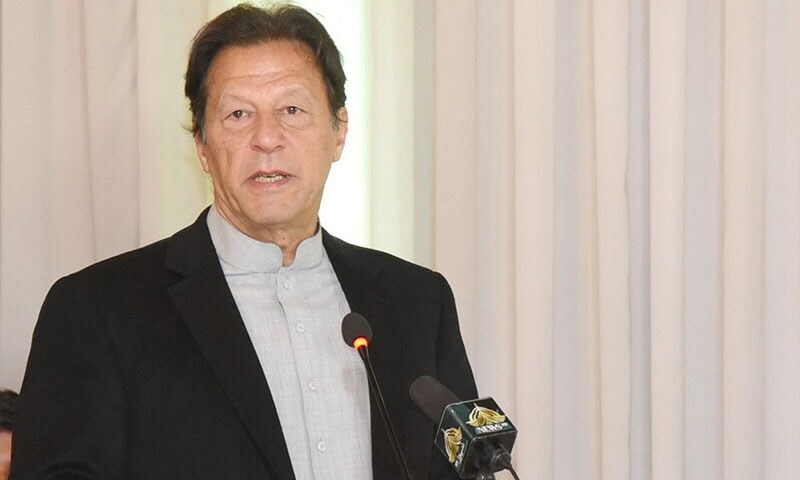
Karzai’s remarks about PM Imran 'unfortunate'
The ambassador termed former Afghan president Hamid Karzai's statement about Prime Minister Imran Khan’s speech at the OIC Foreign Ministers conference as "unfortunate", saying Pakistan had taken a constructive initiative to avert a humanitarian crisis in Afghanistan and there was a lack of coordination between the neighbouring country and the international community.
Read more: 'Nothing insulting about PM Imran's remarks on Afghanistan': Taliban FM responds to Hamid Karzai
Karzai, in a tweet, had rebuked Prime Minister Imran Khan for attributing the prevalent situation in the war-torn country to years of "corruption" by previous governments.
He had also said Pakistan should avoid speaking on behalf of Afghanistan in international forums but it should work towards creating positive and civilised relations between the two countries.
“Many Islamic countries supported Pakistan’s initiative. Now the international community is acting to address the situation in Afghanistan. This is not a time for criticism for the sake of criticism,” the ambassador stressed.
He recalled that the international community had also called for inclusivity, counter-terrorism, human and women rights, which was aimed at bringing durable peace and stability in Afghanistan.
"Calling such appeals as interference is not appropriate."
To a question about the status of the Afghanistan foreign minister's participation in the OIC especially when the new government is not yet recognised, Khan acknowledged there were issues of legality about the government in Afghanistan "that will be solved at a later stage like the issue of the Afghan seat at the United Nations and also the OIC membership".
He underlined, however, that the engagement [with the government in Kabul] was necessary as they were in power. "They control the whole territory of Afghanistan and the entire Afghan population is dependent on the Taliban government,” he said.
He added that the invitation to the Taliban government for participation in the OIC session was taken by the management of the organisation, ambassador Khan said.