Over 2,000 health facilities shuttered in Afghanistan, says Red Cross


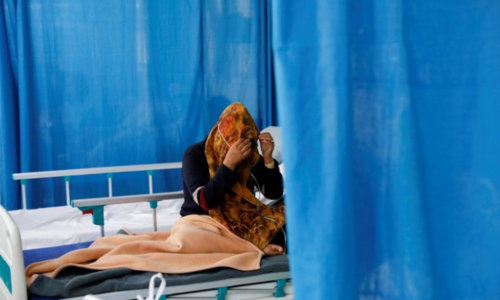
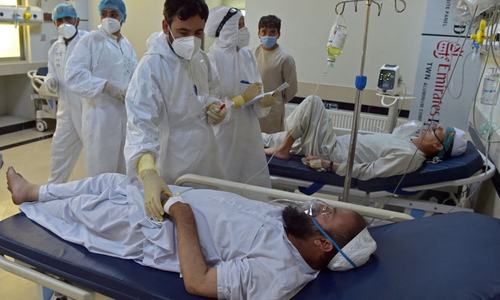
KABUL: Afghanistan’s health system is on the verge of collapse, a top Red Cross official warned on Thursday, saying more than 2,000 health facilities had been shuttered across the conflict-ravaged country.
The International Federation of Red Cross and Red Crescent Societies (IFRC) warned that a dire lack of funding was pushing Afghanistan’s health system to the brink.
“People might agree to work without salaries for a few more weeks,” Alexander Matheou, IFRC’s Asia Pacific director, told a press conference in Kabul.
“But once medicines run out totally, if you can’t switch on the lights, if you’ve got nothing to offer somebody who comes to your clinic, then they’ll shut the doors.” Devastated by more than four decades of war, the Afghan economy has all but ground to a halt since the Taliban’s takeover last month, amid sanctions and a cutoff in foreign aid.
This has taken a particularly heavy toll on the health sector, which was primarily run by NGOs with internal funding before the Taliban came to power.
“Over 2,000 health facilities have closed,” Matheou said at the end of a four-day visit to Afghanistan.
More than 20,000 health workers in the country were no longer working, or were working without being paid, he said. More than 7,000 of them were women.
The World Health Organisation warned last week that less than a fifth of the country’s health facilities remained fully functional, with two-thirds having run out of essential medicines. This could have dire consequences, including for the response to the Covid-19 pandemic.
In a country where only around one percent of people have received a vaccine, more than one million doses are waiting to be distributed. They will expire by the end of the year, Matheou said.
Published in Dawn, October 1st, 2021