0
0

ISLAMABAD: The government needs to formulate a comprehensive strategy for dealing with resurgence of Tehrik-i-Taliban Pakistan instead of exclusively relying on the Afghan Taliban’s assurances that they would rein in the group that is currently based in Afghanistan.
This was the conclusion of the experts at a roundtable discussion hosted by Islamabad Policy Institute (IPI) on ‘Change in Afghanistan: Potential Resurgence of TTP’.
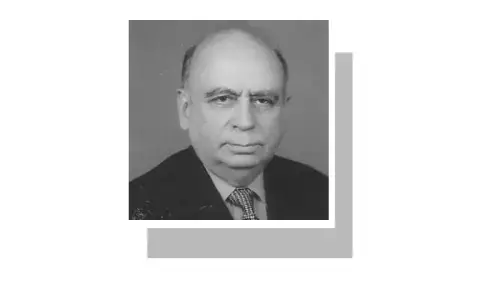
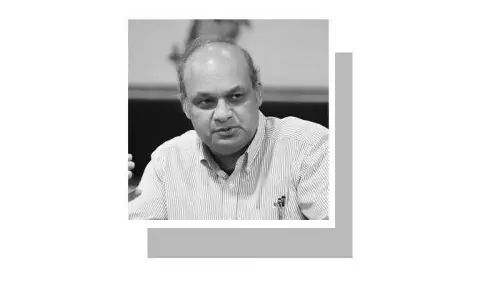
The discussants were former defense secretaries retired Lt Gen Asif Yasin Malik, retired Lt Gen Naeem Khalid Lodhi, Analyst Amir Rana, and National Defense University’s Prof. Rashid Ahmed, according to a press release issued by the think tank on Thursday.
The discussion was held in the backdrop of marked increase in activities of TTP in erstwhile tribal areas particularly after Taliban took over the control of the government in Afghanistan, and continuous reports of clashes between military and TTP terrorists.
Almost all the scenarios drawn by the panelists about Afghan Taliban’s future ties with TTP pointed to emerging threat to internal security.
Prof Ahmed feared that TTP would remain a threat even if Afghan Taliban distance themselves from the group or play neutral. In the former case, splinter groups of TTP can emerge and continue their activities, while in the later scenario they would continue enjoying safe havens there.
He argued that the incentive for TTP to remain aligned with Afghan Taliban was that this association gives them an opportunity to “capitalise on the widespread support among Pashtun tribesmen for the Afghan jihad.” This would enable TTP to boost its own resources and legitimacy, he maintained.
Rana said Pakistani authorities were not correctly reading the threat posed by TTP.
Gen Malik, meanwhile, contended that Pakistan should “leave Afghan Taliban to deal with TTP, while emphasising early resolution of the problem through backchannel.”
He feared that certain quarters can foment instability in Afghanistan and Pakistan – a situation that could be conducive for TTP.
“We have to review the overall environment in the border regions. The districts of that area must deny favourable environment for the operations of TTP,” he recommended. This, he believed, could be done through expediting socio-economic projects in the newly merged districts of KP province, holding local bodies’ polls there, and maintaining a regular liaison with tribal elders.
Gen Lodhi was confident that “Afghan Taliban wouldn’t harbour any elements to carry out activities in Pakistan.”
Executive Director IPI Prof Sajjad Bokhari noted that Pakistan is faced with an elevated threat of a resurgence of TTP after the ascendency of Taliban in Afghanistan.
Published in Dawn, October 1st, 2021