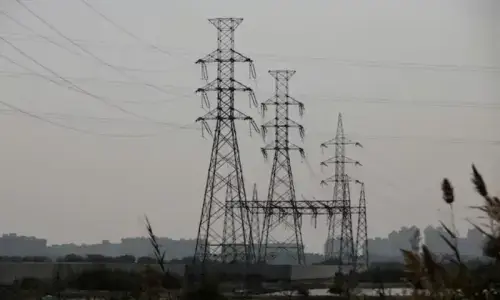
WE have surplus generation capacity and we have frequent electricity shortages — particularly when the demand peaks in summers. Sounds like a paradox? Indeed, it does. The recent forced power cuts experienced by hapless consumers across the country were no surprise. People have suffered sudden blackouts of long duration before, and there is no guarantee these will not be repeated next year or the year after.
The other day, SAPM on Power and Petroleum Tabish Gauhar took to Twitter to explain the reasons for the recent blackouts. According to him, a combination of factors — a 20pc increase in demand, the reduced supply of hydropower from Tarbela owing to sedimentation removal, the diversion of 550 MW of additional electricity from the national grid to K Electric and not enough gas for RLNG-based generation due to lack of LNG storage infrastructure and pipeline constraints — caused the crisis. The heatwave and disruption in the coal supply to the Sahiwal plant following the Ghotki train accident further aggravated matters. But none of these factors justify the pain that power consumers suffered for days in the scorching heat; rather, these indicate a huge mismanagement of the power sector.
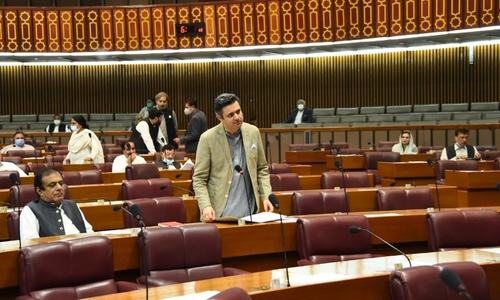
Read: PTI MNAs take own govt to task over loadshedding
Why was Tarbela’s maintenance delayed? Why was enough gas not diverted to RLNG-based plants in Punjab when the authorities knew that Tarbela’s maintenance could run longer than anticipated? Why isn’t additional coal stored in Sahiwal to keep the plant running in case of disruptions? The entire episode shows that those charged with overseeing the energy sector are not doing their job properly. They did not plan in time to ensure the availability of fuel for increasing generation to meet the rising demand. And they found themselves at sea when the current crisis erupted.
There is no doubt that the power mess is too large to tackle in a short period of time. It is also true that surplus generation capacity is no solution to our power woes. The unending power shortages show that the outdated sector is poorly managed and is in dire need of across-the-board governance and structural reforms besides massive investment in T&D networks. Since coming to power almost three years ago, the PTI is still struggling to formulate a credible action plan for repairing the sector and cutting its losses.
It has recently renegotiated agreements with power producers to reduce their tariffs and allocated Rs118bn in next year’s budget for energy sector development, especially the transmission of electricity and utilisation of excess generation capacity. Nonetheless, the three-year performance of the government on this issue has been abysmal. It has made scant progress on energy sector challenges, but has vociferously criticised its predecessor for contracting surplus generation capacity. It is high time that governance and structural reforms were introduced in the energy sector unless the government wants to leave an even bigger mess when its term ends.
Published in Dawn, June 14th, 2021