MAKE no mistake: the proposed Pakistan Media Development Authority Ordinance — an apparent draft of which is doing the rounds on social media — is a declaration of war against journalists. It will, if enacted, erase all critical voices from print, electronic and digital platforms through a system of coercive censorship that will allow only a pliant media to survive. In other words, this naked attempt to control the narrative will eviscerate the very rationale for the fourth estate, which is to act as a check on excesses of power and function as a watchdog for the public interest.
Read: The state’s attempts to control the media are blatant and blunt
Thus, not only is it antithetical to the constitutionally protected right to freedom of expression but it also violates the right to receive information. It should in fact be a matter of shame for a government claiming to have come to power through the ballot, to envisage a media law more draconian than what a military dictator could have dreamt up. Media organisations yesterday unanimously rejected the proposed legislation, terming it unconstitutional and an extension of Gen Ayub Khan’s infamous Press and Publications Ordinance 1963. “This has no place in a democratically elected dispensation,” reads their joint statement.
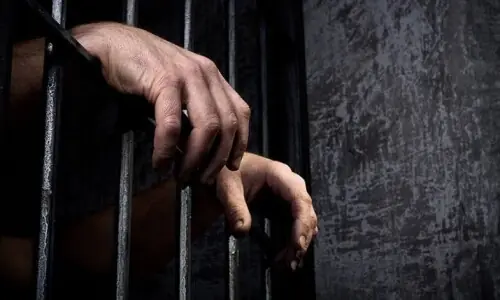
Clause after clause in the proposed law is illustrative of the authoritarian mindset that underlies it. Repealing existing media-related laws, it would set up PMDA, an all-powerful regulatory body to exercise control over print, electronic and digital media, whose members would be appointed by the president on the federal government’s advice. The PMDA can without notice order the seizure of equipment at a television station or the sealing of a media outlet’s premises. It can for a host of loosely defined reasons, and without issuing a “show-cause notice and affording opportunity of hearing…” prohibit any person, print media, electronic media or digital media service operator from operating. Sanctions include up to three years in prison and a fine extending to Rs25m, or both. Anyone aggrieved by its decisions can appeal to a tribunal — again set up by the federal government. The Supreme Court alone will have the jurisdiction to question the legality of any step taken under the ordinance. Much as it applies to TV channels at present, under the proposed law, the licensing regime would also cover print and digital platforms. Along with licences, there will be NOCs to be renewed periodically — a sword hanging over their heads, plus an added financial burden at a time when the industry is already suffering crippling losses.
Journalists over the last few years have endured indirect censorship and outright violence for simply trying to do their job. Now an attempt is underway to replace these blatantly illegal tactics by legislation that ultimately has the same objective — to bludgeon the community into acquiescence. However, the government should know that the media in this country still has the spine and the integrity to stand its ground.
Published in Dawn, June 2nd, 2021