COLOMBO: Sri Lanka on Saturday announced using a controversial anti-terrorism law to deal with religious extremism and gave itself sweeping powers to detain suspects for up to two years for “de-radicalisation”.
Separately, the government said it would soon outlaw the burqa, formalising a temporary ban imposed in April 2019 after deadly bomb attacks blamed on local Islamist militants.
President Gotabaya Rajapaksa promulgated regulations allowing the detention of anyone suspected of causing “acts of violence or religious, racial or communal disharmony or feelings of ill will or hostility between different communities”.
Minister announces decision to ban burqa
The rules, effective Friday, have been set up under the Prevention of Terrorism Act (PTA), which both local and international rights groups have repeatedly asked Colombo to repeal.
Rajapaksa, who came to power with a promise to battle Islamist extremism, announced the “de-radicalisation from holding violent extremist religious ideology” measures in a gazette notification.
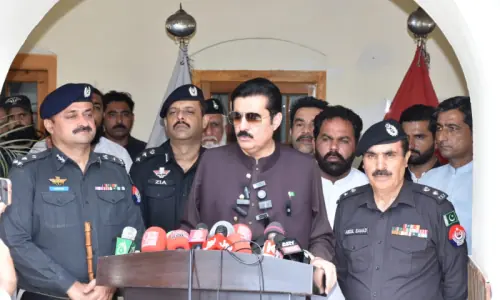
Meanwhile, Public Security Minister Sarath Weerasekera announced on Saturday that the burqa, a loose garment covering from head to toe and worn in public in many Muslim countries, was a threat to Sri Lanka’s national security.
“The burqa is something that directly affects our national security,” Weerasekera told reporters in Colombo. “This (dress) came into Sri Lanka only recently. It is a symbol of their religious extremism.”
Weerasekera said he signed documents outlawing the burqa, but they need to be approved by the cabinet of ministers and parliament where the government has a two-thirds majority to see its bills through.
Published in Dawn, March 14th, 2021