ECC to examine Rs6.4bn Ramazan relief package
ISLAMABAD: The Economic Coordination Committee (ECC) of the cabinet is likely to take up and approve a Rs6.37 billion Ramazan relief package to give a subsidy of around Rs40 per kilogram on sugar, ghee and wheat flour to the masses.
Sources in the Ministry of Industries and Production confirmed that a summary had been forwarded to the ECC for approval.
The sources said that the average Ramazan relief package over the past 10 years had been between Rs1.5 billion and Rs2.5bn.
“Last year’s relief package was Rs2.5bn and the average saving for consumers was Rs10 and 15 on various items, but this year a serious intervention was required for vegetable ghee, oil, sugar and even wheat flour,” the sources said.
Sugar, wheat flour, ghee to be sold around Rs40 below normal price
The relief package includes reduction in prices of 14 essential items by 10 to 15 per cent at the Utility Stores, while the sale of five items at subsidised rates will continue during Ramazan.
Currently, the subsidised sale of wheat flour, sugar, banaspati ghee, rice and three pulses — gram pulse, moong and maash — has continued since January 8 this year under the government’s special relief package.
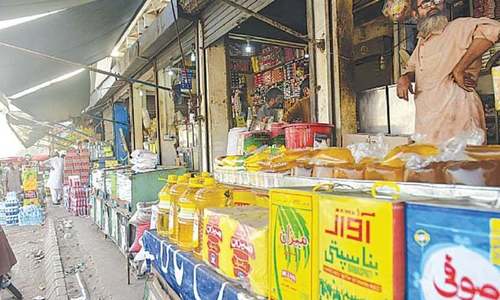
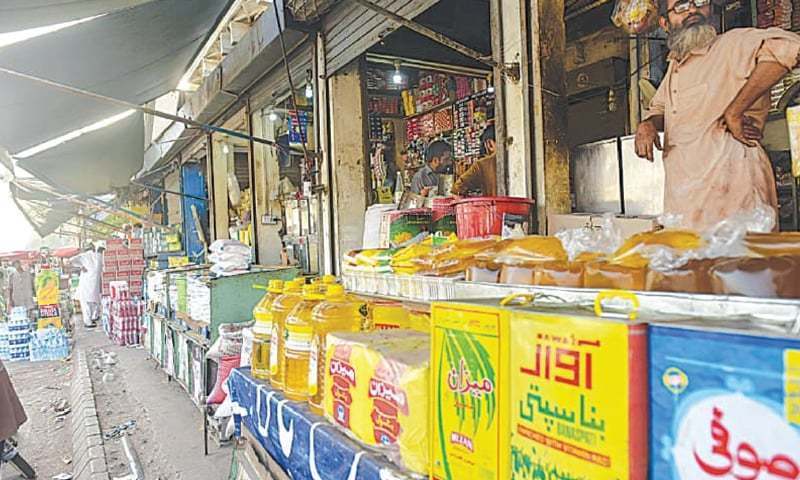
Ghee and oil prices are ranging between Rs250 and Rs300 per kg/litre for different brands in open markets, but the rates at the Utility Stores were around Rs170 and Rs175 per kg/litre, respectively.
However, the government has already enhanced the rates to Rs200 per kg/litre and the new rates are likely to be implemented along with the Ramazan package. The Ramazan package will commence on April 1 and it will continue for 45 days.
Apart from a huge difference in the prices of ghee and oil, a significant subsidy was being given on sugar, too, which was being sold at Rs68 per kg, the sources said.
“Earlier, the government was importing sugar at around Rs82 per kg, but now the locally produced sugar was being procured,” they said, adding that a subsidy of Rs40 per kg on sugar will be incurred as the purchase cost of sugar was around Rs100 per kg and the total cost would be up to Rs108 upon reaching retail outlets.
Similarly, wheat flour was cheaper by Rs20 to Rs30 per kg at the Utility Stores against the open market prices, and the rates of per kg pulses are Rs10 to 15 less than the open market.
“The main reason for high subsidy this year is that the open market rates of edible items, including oil, have surged due to the impact of international market,” the sources said.
The items to be sold at subsidised rates under the package include dates, gram flour (besan), sugary drinks, white gram, black gram, dry milk, tea and spices.
Published in Dawn, March 5th, 2021