0
0

ISLAMABAD: Farmers from six districts of Balochistan have succeeded in increasing the gross yield and value of their agricultural produce under the Australia Balochistan Agribusiness (AusAbba) Programme, the Food and Agriculture Organisation (FAO) of the United Nations announced on Monday.
The programme, which ran between 2014 to 2020, received financial assistance from the Australian government and helped improved the household incomes for more than 23,000 households in the south-west Balochistan.
The flagship programme, completed in two phases, was implemented by FAO and the Balochistan government, achieved at least a 25 per cent increase in crop yield. The programme worked in specific commodities such as onions, fruit trees, livestock, wool shearing, certified seed production, poultry, dates and household food production.
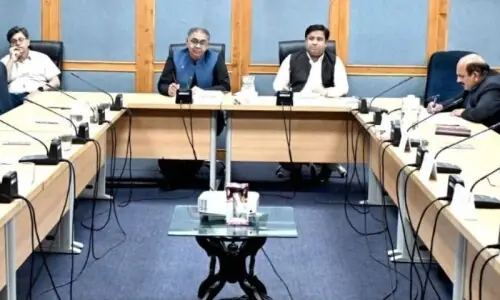
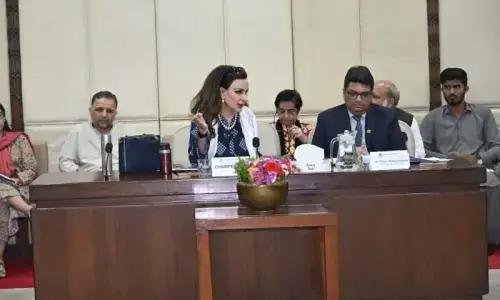
Balochistan Livestock Minister Mitha Khan Kakar thanked the Australian government on the successful completion of the project. The government applauds the project’s achievements and welcomes other development partners to continue the work of this important and impactful progrmme, Kakar said.
FAO acting representative in Pakistan, Rebekah Bell while speaking at the closing ceremony of the project, said AusAbba supported male and female farmers in developing their farming businesses and improving their production yields, while simultaneously working with the agriculture supply and market businesses so as to increase their access to the farmer procuders.
Additionally, AusAbba provided technical advisory support to the provincial government for policy reforms in livestock and agriculture sector, she added.
Marketing collectives
AusAbba ensured that at least 25 per cent of the farmers engaged in the programme were women. This was achieved through the introduction of specific supply chain activities like grading, packaging, seedling and production, which are now carried out by women, and by the enhanced development of women’s farmer marketing collectives (FMCs) and mutual marketing organisations (MMOs).
The programme also helped establish 21 MMOs register with the agriculture cooperatives department as cooperatives and legal entities.
FAO under the programme has responded to the increased levels of food insecurity in Balochistan due to Covid-19 by initiating a household food production and experimental nutrition education intervention through which families that have pregnant or lactating mothers are trained under the Integrated Household Food Systems (IHFC).
Published in Dawn, December 22nd, 2020