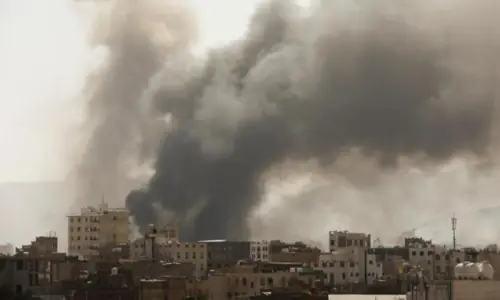
MOTHER Nature came to the rescue of people gasping for breath on Sunday when Lahore and many other parts of Punjab received their first spell of winter rain. The relief was anxiously awaited ever since a thick and deeply demoralising sheet of smog covered a wide area around the provincial capital. The rain drastically improved the air quality. For instance, in the Quaid-i-Azam Industrial Estate, the Air Quality Index was dramatically down to around 160. Only a day or two earlier, it had shot up to well over 400. Although these are the readings for an industrial area, an AQI level of 401-500 is considered very poor. But for the rain, the index was advancing fast towards the high danger limit of AQI 500. There are many who doubt these numbers as having been downplayed. The sheer inevitability of running into smog more severe than last year’s is playing on their minds and as patience runs out, there are more and more voices holding the authorities responsible for inaction.
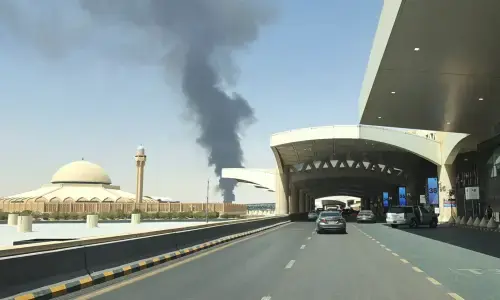
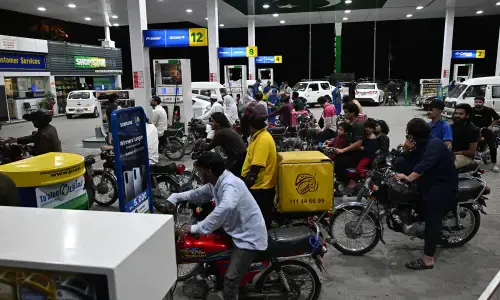
In this age, it has taken a ‘privileged’ city and region many seasons to realise that it is not the kiln that is the main source of pollution, ie smog. It is not the mill that irks clean-environment activists, even though like the brick-makers, electricity generators using furnace oil and stubble-burning farmers who were the original suspects, the factory owners too are contributing their share to particles that remain suspended longer in the winter air. In fact, it is transport that is largely responsible for the smog. The government is finally realising this. Thus as it closes down a large number of kilns for a few weeks and on a busy day books more than 100 factories for emitting smoke, it is also seizing a number of vehicles all over Punjab for making the air so unbreathable. But the circumstances demand steps that are permanent, and not seasonal. Efforts must be made to shift to cleaner sources of energy.
Published in Dawn, November 17th, 2020