PM Imran warns of 'second spike' in Covid-19 cases in cities with high pollution levels


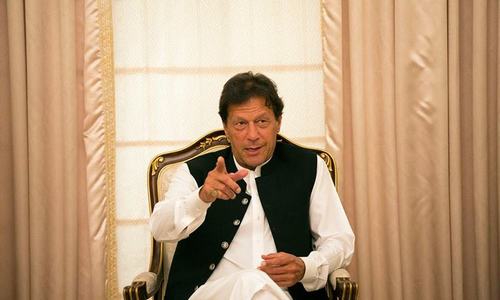
Prime Minister Imran Khan on Monday cautioned that a second wave of the novel coronavirus may hit cities with a high level of pollution in the coming months as the winter season approaches.
While addressing the Clean Green Index Award ceremony in Islamabad, the premier said that several cities, where pollution levels are high, experience smog during October and November, when temperatures start to drop.
"I fear that in these two months — October and November [...] cities like Faisalabad, Lahore, Karachi, Peshawar, Gujranwala, where there is more pollution [...] there might be a second spike in coronavirus cases. The cases are rising gradually and we hope that they don't increase quickly and we are monitoring it," he told participants of the event.
He further said that during the winter, "pollution becomes stagnant in the atmosphere", leading to the spread of diseases.
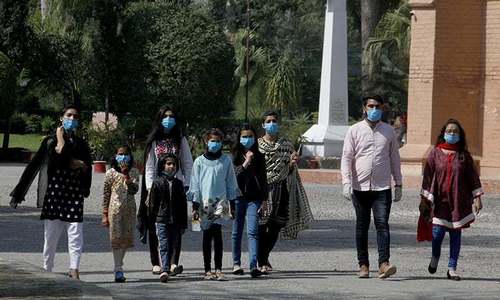
This is not the first time the prime minister has warned of a second Covid-19 wave. Earlier this month, he had urged people to wear masks, saying that "there is a fear onset of winter could result in 2nd wave".
Minister for Planning and Development Asad Umar, who also heads the National Command and Operation Centre (NCOC), last week revealed that the positivity rate of the novel coronavirus cases in the country had risen to 2.37 per cent. It was the "highest positivity rate in more than 50 days", he said and urged people to follow standard operating procedures to stop the spread of the virus.
Experts have also issued similar warnings, with the Pakistan Medical Association saying earlier this month that laxity on the part of people could trigger a surge in cases.
Viruses of influenza, which like the coronavirus cause contagious respiratory illnesses, become more active with the decrease in temperature. However, experts believe that the casual attitude of people and violation of standard operating procedures (SOPs) could also lead to the spread of the virus and might push the country to a situation similar to that in the West and India.