Winter is coming: PM Imran urges people to wear face masks in public to avoid Covid-19 second wave



Prime Minister Imran Khan has urged the nation to wear face masks in public to avoid a spike in coronavirus infections, saying there were concerns that "onset of winter" could result in a second wave.
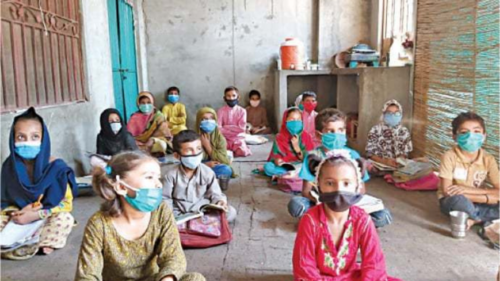
"Compared to some other states, Allah has been kind to us in Pakistan and spared us worst effects of Covid-19," he tweeted on Sunday. "All offices and educational institutions must ensure masks are worn."
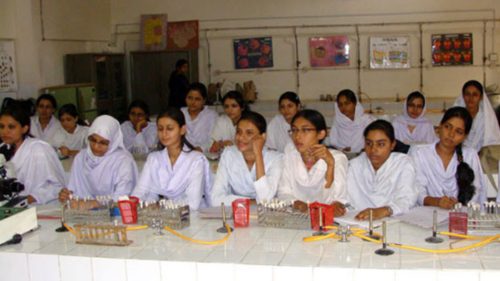
Educational institutions across Pakistan opened in phases last month as the daily nationwide Covid-19 tally dropped below 1,000 cases.
Whether coronavirus will spread more in winter is still an unanswered question but the science, based largely on what is known about other viruses, leans towards the affirmative.
"It may be seasonal, based on other viruses that do tend to peak in winter," Dr Rachel Lowe, from London School of Hygiene and Tropical Medicine, told the BBC.
The BBC report, noting that all viruses survive outside the body better when it is cold, says: "The UK's Scientific Advisory Group for Emergencies says a temperature of 4C is a particular sweet spot for coronavirus. There is also less UV light, which inactivates the virus, from the sun in winter too."
According to Micaela Martinez, an infectious disease ecologist at Columbia University in New York City, there isn't enough data yet to know if environmental conditions tied to the changing seasons have any influence on the transmissibility of Covid-19.
"We have yet to experience a whole cycle and one full year of transmission in any location, so we're unable to actually measure what the relationship is between transmission and things like temperature and humidity," she was quoted as saying by NBC News.
Health bodies of multiple countries, including USA and UK, have called for widespread flu vaccination. The flu vaccine, however, only protects against influenza — it won’t lessen the chances of getting the coronavirus, according to The Associated Press. Vaccines against Covid-19 still are experimental and several candidates are entering final testing to see if they really work.
But for coronavirus protection, health experts continue to stress vigilance about wearing masks, keeping your distance, avoiding crowds and washing your hands.
“Once one stops those mitigation steps, it only takes a couple weeks for these viral pathogens to get back on the path that they were on,” said Dr Robert Redfield, director of the US Centres for Disease Control and Prevention.