PAC asks govt to stop Neelum-Jhelum surcharge collection


ISLAMABAD: The Public Accounts Committee (PAC) issued a directive on Wednesday to stop the collection of Neelum-Jhelum Surcharge (NJS) through electricity bills.
The PAC, which met under the chairmanship of Rana Tanveer Hussain, was informed by the office of the auditor general that the government was collecting the surcharge even though the Neelum-Jhelum Dam had been completed two years ago.
The government, through a notification on Jan 4, 2008, had imposed the NJS on electricity consumers till Dec 31, 2015.
According to audit officials, the surcharge is still being collected despite lapse of the period.
Mohammad Ashraf, secretary to the water resources ministry, informed the committee that the NJS was being charged at a rate of 10 paisa per unit.
According to him, the government had collected Rs70 billion from consumers after expiry of the period in question.
The PAC unanimously recommended that collection of the surcharge through electricity bills be discontinued as the project had already been completed.
Meeting is informed that dam was completed two years ago
Although some PAC members, including Hina Rabbani Khar and Amir Dogar, called for refund of the excess amount collected from consumers, the PAC chairman said this would open up a Pandora’s box. He, however, issued directives to stop further collection of NJS.
Asked about the legal status of the surcharge, the water resources ministry’s secretary conceded that the NJS was being collected even after expiry of the notified period.
He, however, disclosed that a summary had been moved to rename it as “Diamer-Bhasha Surcharge”.
Senator Mushahid Hussain Syed enquired about the status of the fund established by former chief justice Saqib Nisar for Diamer-Bhasha Dam.
The secretary informed the PAC that so far Rs13 billion had been deposited in the fund. He said the fund was at the disposal of the Supreme Court’s administration.
While the water resources secretary expressed hope that the NJS would be converted into Diamer-Bhasha Dam surcharge, the Water and Power Development Authority (Wapda) chairman, retired Lt Gen Muzammil Hussain, opposed the idea. He said construction of the dam required billions of rupees and it could not be done through crowd funding.
The audit officials were also of the view that levy could only be imposed through an act of parliament and JS could not be reimposed with an alternative nomenclature.
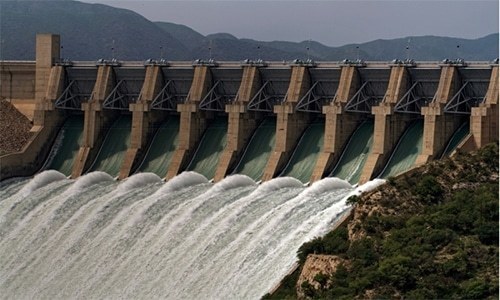
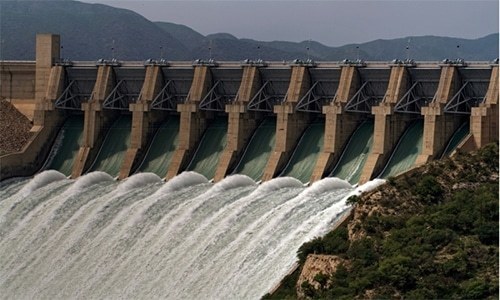
The Neelum-Jhelum hydropower project, constructed on Neelum River in Azad Jammu and Kashmir, has a dam at Nauseri, an underground waterway system consisting of 52-kilometre-long tunnels, and an underground powerhouse at Chattar Kalas. It was commissioned in April 2018.
The Diamer-Bhasha Dam is a reservoir with a height of 272 metres and after completion it will be the tallest roller compact concrete (RCC) dam in the world.
It will have a spillway with 14 gates and five outlets for flushing out silt. The diversion system involves two tunnels and a diversion canal.
The project, with a total outlay of Rs1.4 trillion, is expected to be completed in 2028.
Published in Dawn, September 3rd, 2020