Virus leaves tourism places in Cordoba deserted


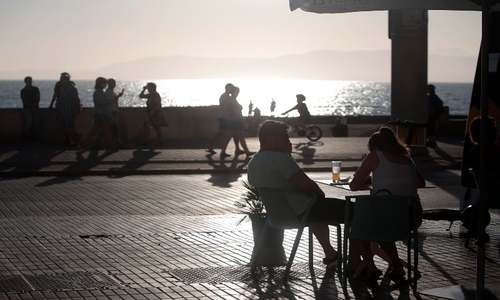
CORDOBA: The Santos Bar, across from Cordoba’s celebrated mosque, would normally be groaning with tourists tucking into its trademark Spanish tortillas. But with the coronavirus pandemic, “everything’s dead”, the owner says.
The mosque, known as the Mezquita, situated in Spain’s southern region of Andalusia was the holiest site of Muslim worship in the West during the Umayyad caliphate of the 10th and 11th centuries.
It has been a Catholic site since the Christian re-conquest of the city in 1236, after which a cathedral was built inside the building.
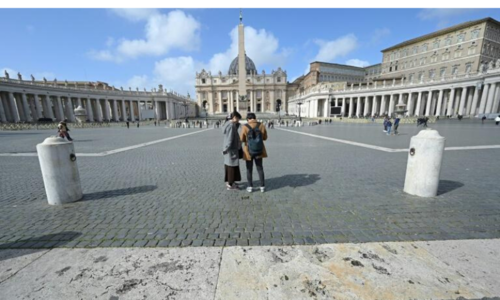
Regarded as one of the finest monuments of Moorish architecture, the mosque-cathedral is the most visited site in this town. But since it reopened at the end of May, only 16,000 people have set foot in the Unesco World Heritage site — the number of visitors it would normally receive in a week.
“It will take months to make that up,” said church spokesman Jose Juan Jimenez Gueto, although money set aside in previous years means staff have been kept busy with restoration projects. Nearby restaurants, hotels and shops are not so lucky, and many are closed. At the Santos Bar, only owner Jesus Maldonado is working.
Business is “a quarter of normal”, he said. His 10 employees are all on a state-backed furlough scheme.
The plunge in tourism, a sector that accounts for 12 per cent of Spain’s economy, will be felt like a body blow.
While the country’s beaches are its biggest draw, cities in the interior like Cordoba also attract tourists with their cultural sites.
And it’s places like Granada, Toledo, and Segovia that are bearing the brunt, according to Spain’s national hotel association, with revenue drops greater than 50 per cent for restaurants and bars in their historic city centres.
In Andalusia, hotel occupancy is at an average of just 25 per cent, a good 10 percentage points lower than in establishments along the coast, said Francisco de la Torre, head of the region’s hotel association. He worries that Andalusian eateries will eventually have to shed up to a third of their staff.
In Spain, the world’s number two tourist destination behind France, spending by foreign tourists plunged by 62 per cent in the first five months of the year compared with the same period in 2019.
In Ronda, the mountaintop city perched above a gorge known for its stone bridge, Maria Lara Galindo has worked as a guide for Asian tourists for the past decade.
“For those serving Spanish tourists there is now some activity, but Asian tourists — nothing,” she said. While Japanese and South Korean tourists may now visit the European Union again, Galindo doesn’t expect them to return before next summer.
Published in Dawn, July 13th, 2020