Trump determined to pull troops out of Afghanistan: ex-aide


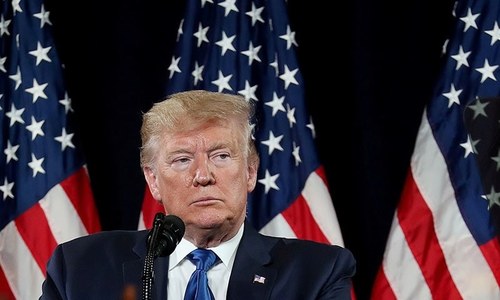
WASHINGTON: US President Donald Trump was worried about the impact on Pakistan of a Taliban takeover in Afghanistan, but still wanted to withdraw his troops from the war-ravaged country, according to a book written by one of his former aides.
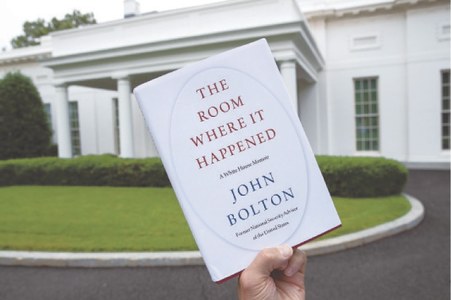
The book, The Room Where It Happened by former National Security Adviser John Bolton, was released on Tuesday and is already on the bestsellers list.
“It is a terrifying warning about what Trump could still do,” wrote the Foreign Policy magazine while commenting on the book.
The Slate called it a “scathing indictment” of Trump while CNN noted that the book “oozes with contempt for Bolton’s old boss”.
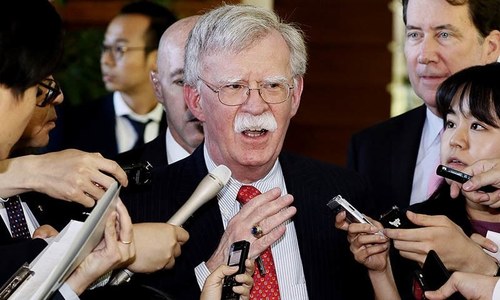
Bolton, who worked at the White House from April 2018 to September 2019, also wrote about Trump’s views on Afghanistan and Pakistan.
One chapter revealed how senior US generals, diplomats and even cabinet members tried to convince Trump to keep at least some troops in Afghanistan but failed.
In one of the White House meetings held in November 2018, the then chairman of Joint Chiefs of Staff General Joseph Dunford argued, “If we withdrew, he feared a terrorist attack on the US in the near future.”
“Fifty billion dollars a year,” said Trump while explaining why he wanted to leave Afghanistan now. Bolton wrote that Trump quoted this figure every time his withdrawal plan was questioned.
In one meeting, Trump asked Bolton to share his views. “I said I might have been the only one worried about Pakistan if the Taliban regained control next door, but Trump interrupted to say he worried as well.”
Trump kept reminding his aides that he wanted to withdraw troops soon after the 2016 election but his generals persuaded him not to and said that he no longer would listen to his generals.
Once Trump also mentioned Ambassador Zalmay Khalilzad, his chief negotiator who concluded a peace treaty with the Taliban in February this year.
“Mentioning Khalilzad, Trump said I hear he is a con man, although you need a con man for this.”
The book also showed that Trump’s desire to leave Afghanistan stemmed from his belief that the US could not regain control over that war-torn nation.
“We have lost everything. It’s a total failure. It’s a waste. It’s a shame. All the casualties. I hate talking about it,” said Trump while explaining why he wanted troops to leave Afghanistan.
When former Defence Secretary Jim Mattis, who opposed Trump’s strategy, lauded Nato’s efforts in Afghanistan, Trump said: “We pay Nato.”
Mattis reminded him that “ISIS is still in Afghanistan.” “Let Russia take care of them,” Trump responded.
“This was done by a stupid person named George Bush. Millions of people killed, trillions of dollars, and we just cannot do it,” said Trump while criticising the decision to send US to war in Afghanistan and Iraq.
Published in Dawn, June 24th, 2020