FM Qureshi urges use of modern technology for efficiency in official matters

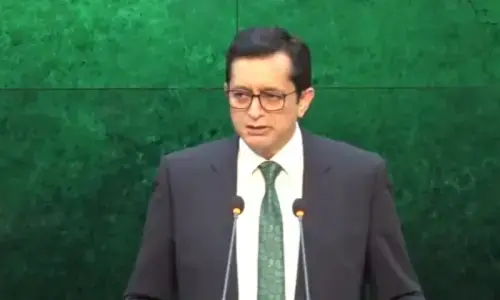
ISLAMABAD: Foreign Minister Shah Mehmood Qureshi has underlined the need for use of modern technology for efficient running of official matters.
During a meeting with the representatives of various telecom companies on Sunday, the minister said that in this fast changing world, sessions and meetings were being held via the video link and other latest technologies.
The meeting specially discussed the enhanced use of latest technology in the ministry, a press release said.
Mr Qureshi stressed the need for formulation of a future strategy and mechanism while keeping in view the negative impact of the coronavirus pandemic. The world had undergone a complete change due to the pandemic, he added.
Meanwhile, Telenor has released its international research report, saying that the Covid-19 pandemic has accelerated global social and economic change that would otherwise have taken years to realise.
“There is no such thing as going back to normal,” said Gorm Andreas Grønnevet, vice president at Telenor Research.
The report has identified some predictions with the claim that these would shape new, post-coronavirus reality.
The first prediction is “New city infrastructure to facilitate a new way of work”, as the pandemic has forced many office-bound workers to work from their homes. There is a possibility that traditional office complexes are not so essential after all.
“More and more people are starting to adjust to working remotely, either from home and near home, - we expect the pandemic to accelerate this trend,” the report said.
This will also mean that less commuting means less time spent in traffic and less traffic in general, which leads to less pollution, cleaner air, improved public health and increased productivity and efficiency.
The second prediction is related to usage of artificial intelligence in recruitments. The lockdowns brought economic consequences, millions of jobs were lost, and new types of jobs emerge to cope with unique needs stemming from the pandemic and the new limitations on immigration.
“We predict that artificial intelligence holds the key to transform the employment game for the better by processing comprehensive background information about employers and potential candidates, algorithms will filter out unsuitable positions and candidates, and connect the right seekers with the right employers,” the research report said.
Published in Dawn, June 15th, 2020