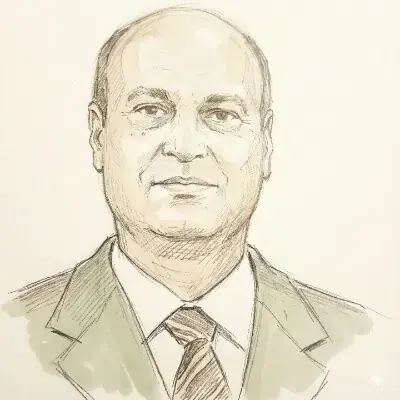
Covidiots in courtroom irk chief justice

ISLAMABAD: Amid the rising number of coronavirus cases with the masses throwing caution to the wind, the Chief Justice of Pakistan on Monday expressed concern over the violation of social distancing in the Supreme Court.
Heading a five-judge SC bench, Chief Justice Gulzar Ahmed asked at a hearing why the courtroom was jam-packed. “What happened to the formula of social distancing? Who are you and why are you sitting here,” he asked while pointing at the lawyers, media persons and litigants/public present in the courtroom.
“I don’t want something to happen in this court. You should care about the social distancing and take precautionary measures,” the CJP remarked.
All the judges were wearing masks as per the latest SOPs given by the government as part of the precautionary measures against the Covid-19 pandemic.
WHO asks govts to ensure that essential services for ailments other than coronavirus are not disrupted
The chief justice showed his concern over the violation of the social distancing on a day when the World Health Organisation (WHO) released its report, confirming that the impact of Covid-19 is global but low-income countries are the most affected.
According to the study, which was conducted in Pakistan as well as 154 other countries during a three-week period of May, since the initial days of Covid-19 pandemic, the prevention and treatment services for non-communicable diseases (NCDs) have been severely disrupted.
This situation is of significant concern because people living with NCDs are at a higher risk of severe coronavirus-related illness and death.
“The results of this survey confirm what we have been hearing from countries for a number of weeks now,” said Dr Tedros Adhanom Ghebreyesus, Director-General of the World Health Organisation. “Many people who need treatment for diseases like cancer, cardiovascular disease and diabetes have not been receiving the health services and medicines they need since the Covid-19 pandemic began. It’s vital that countries find innovative ways to ensure that essential services for NCDs continue, even as they fight Covid-19.”
Widespread service disruptions
The main finding of the study is that health services have been partially or completely disrupted in many countries.
More than half (53pc) of the 155 countries surveyed have partially or completely disrupted services for hypertension treatment; 49pc for treatment for diabetes and diabetes-related complications; 42pc for cancer treatment, and 31pc for cardiovascular emergencies.
Rehabilitation services have been disrupted in almost two-thirds (63pc) of the countries though rehabilitation is key to a healthy recovery following severe illness from Covid-19.
In most (94pc) of the countries responding, the ministry of health staff working in the area of NCDs were partially or fully reassigned to support Covid-19.
The postponement of public screening programmes (for example for breast and cervical cancer) was also widespread, reported by more than 50pc of countries. This was consistent with initial WHO recommendations to minimise non-urgent facility-based care whilst tackling the pandemic. But the most common reasons for discontinuing or reducing services were cancellations of planned treatments, a decrease in public transport available and a lack of staff as health workers had been reassigned to support Covid-19 services. In one of the five countries (20pc) reporting disruptions, one of the main reasons for discontinuing services was a shortage of medicines, diagnostics and other technologies.
The survey also shows that alternative strategies have been established in most countries to ensure that people at a highest risk keep receiving treatment for NCDs. Around 58pc of the countries that reported service disruptions are now using telemedicine (advice by telephone or online means) to replace in-person consultations; in low-income countries this figure is 42pc. Triaging to determine priorities has also been widely used, in two-thirds of the countries responding.
Published in Dawn, June 2nd, 2020