Top HIV scientist says he wouldn't count on a vaccine for coronavirus soon


 7
7


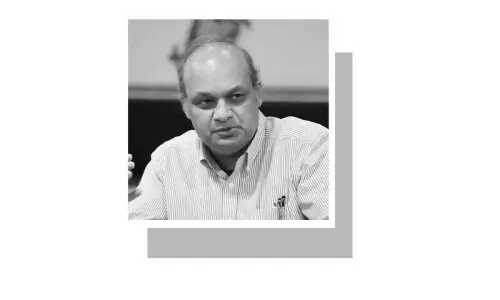
A top US scientist said on Wednesday that governments should not count on a successful vaccine against Covid-19 being developed anytime soon when deciding whether to ease restrictions imposed to curb the pandemic.
William Haseltine, a groundbreaking researcher of cancer, HIV/AIDS and human genome projects, said the better approach now is to manage the disease through careful tracing of infections and strict isolation measures whenever it starts spreading.
While a Covid-19 vaccine could be developed, he said, “I wouldn’t count on it.”
Vaccines developed previously for other types of coronavirus had failed to protect mucous membranes in the nose where the virus typically enters the body, he said.
Even without an effective treatment or vaccine, the virus can be controlled by identifying infections, finding people who have been exposed and isolating them, he said. He urged people to wear masks, wash hands, clean surfaces and keep a distance.
He said China and some other Asian countries used that strategy successfully, while the United States and other countries did not do enough to “forcibly isolate” all who were exposed to the virus.
China, South Korea and Taiwan have done the best at curbing infections, he said, while the United States, Russia and Brazil have done the worst.
Tests on animals of experimental Covid-19 vaccines had been able to reduce the viral load in organs like lungs although the infections remained, he said.
For treatment, patients have been getting antibody-rich plasma donated by people who recovered from Covid-19, and drugmakers are at work producing refined and concentrated versions of that serum.
Known as hyperimmune globulin, those products are “where the first real treatments are going to be,” he said, predicting success also with research into monoclonal antibodies that home in on and neutralise the ability of the virus to enter human cells.