5
5

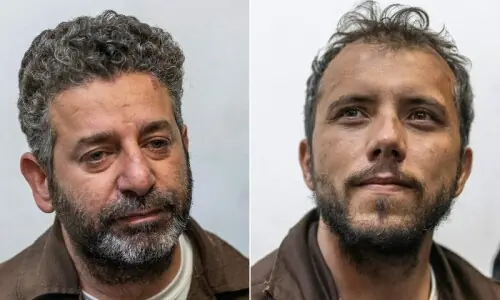
THE grisly murder of Saudi journalist Jamal Khashoggi in the kingdom’s Istanbul consulate last year caused shock and revulsion around the world, with questions raised globally about Riyadh’s much-trumpeted reforms, spearheaded by powerful Crown Prince Mohammed bin Salman. Khashoggi, once close to the corridors of power in Saudi Arabia, had started writing more critical pieces, especially in the influential Western press, and many feel he was silenced for his work. There was an outcry across the globe, with calls for the killers to be punished — particularly repulsive was the fashion in which Khashoggi had been butchered, the gory details made public through media leaks. His remains have yet to be found. On Monday, Saudi officials announced that five suspects had been sentenced to death in the case. However, considering the highly opaque nature of the Saudi justice system, and the fact that some key suspects have been let off, there are justifiable questions about the transparency and legal merit of the trial.
The primary criticism of the Saudi sentence stems from the fact that the court found the diabolical act was “not premeditated”. In the words of Agnes Callamard, the UN investigator looking into the murder, the sentence is a “mockery”; the report she had authored earlier this year had clearly stated that the crime was a “brutal and premeditated killing, planned and perpetrated” by those in power in Riyadh. However, it seems that the powers that be in the kingdom have sought to deflect blame by implicating low-ranking operatives. For example, Saud Al-Qahtani, a government apparatchik with reportedly a direct line to the crown prince, and who American intelligence agencies believe was the mastermind of the Khashoggi hit, was not even charged by Saudi prosecutors. If the Saudis want to convince the world that they are serious about bringing Jamal Khashoggi’s killers to justice, they need to open up to international scrutiny the process through which his alleged killers were convicted, even if this implicates those in high places in Riyadh.
Published in Dawn, December 25th, 2019