Inquiry into use of expired polio vaccine finds negligence by five officials


 1
1


RAWALPINDI: The district administration will take action against five health department officials for failing to check the expiration date on a polio vaccine and has asked the Punjab health department to take up the delivery of the expired vaccine to the Rawalpindi division from the National Institute of Health (NIH) with the federal government.
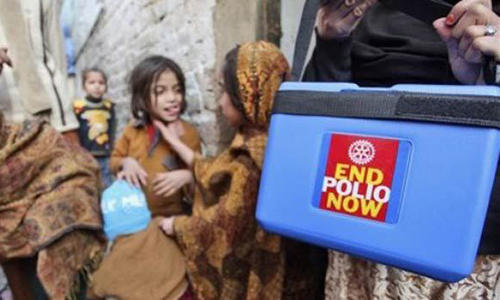
At least 50 children were administered an expired polio vaccine in the Dhoke Budhal village on Chak Beli Khan Road on Dec 16. Two officials were suspended after the incident, and inquiries were launched by the Punjab health department and the district administration.
The district administration’s inquiry has completed its investigation and found negligence on the part of five officials – the store keeper, supervisor, area in-charge and vaccinators – who did not check the expiration date on the vaccine before administering it to the children.
Their inquiry also revealed that the expired vaccine was delivered to the Rawalpindi division from the NIH and its batch number in official paperwork was different from the batch number of the delivered vaccine.
Deputy Commissioner Saifullah Dogar told Dawn that the five officials found negligent in the inquiry would face disciplinary action under the Punjab Employees Efficiency, Discipline and Accountability Act starting Monday.
District admin’s investigation also found discrepancy between batch number of vaccine delivered to division
“The vaccine was delivered to the Rawalpindi division directly from NIH stores as it is close to Islamabad, but all the deliveries were made under the supervision of the Punjab health department. The remaining parts of the province were provided the vaccine via Lahore,” he said.
Mr Dogar said the investigators found a discrepancy in the batch numbers of the delivered vaccine and in official documents. The matter has been referred to the provincial health department to take up with the federal government, he added.
According to the official documents, he said, the vaccine that was supposed to be delivered to Rawalpindi was sent to Lahore.
He added that there was also negligence on the part of officials, who did not check the expiration dates and handed the vaccine over to area in-charges in various union councils.
A total of 48,000 vials were delivered to 15 union councils, Mr Dogar said. Eight of the vials were opened and all of the sealed vials were retrieved on the first day of the polio vaccination campaign.
He added that the children who received the expired vaccine did not have a reaction. He said health experts had said the expired vaccine was harmless, but they will be given a new dose after a few days.
New directives have been issued to the District Health Authority to ensure that vaccine expiration dates are checked before receiving consignments from the provincial health department as well, he said.
He added that the vaccination campaign was a success, and a third party audit had found that it covered 98pc of its target. There were fewer refusals than the last vaccination campaign, he said.
He said 2,000 refusals were reported over five days, which were covered in the last two, while 663 cases went unattended because the homeowners were absent.
Although they have not achieved zero refusals, he said, the district administration is trying to meet its target by involving religious and political individuals in the district.
“Traditionally, Taxila had the highest number of refusals but this time just 51 refusal cases were found in the area, which is a good sign,” he said.
The next vaccination campaign will begin in February, Mr Dogar said. The district administration has contacted cantonment authorities so teams can visit all the cantonment areas and vaccinate children against polio, he said.
Published in Dawn, December 23rd, 2019