Rape an 'intolerable cost to society', must be universally criminalised: UN executive director


 6
6
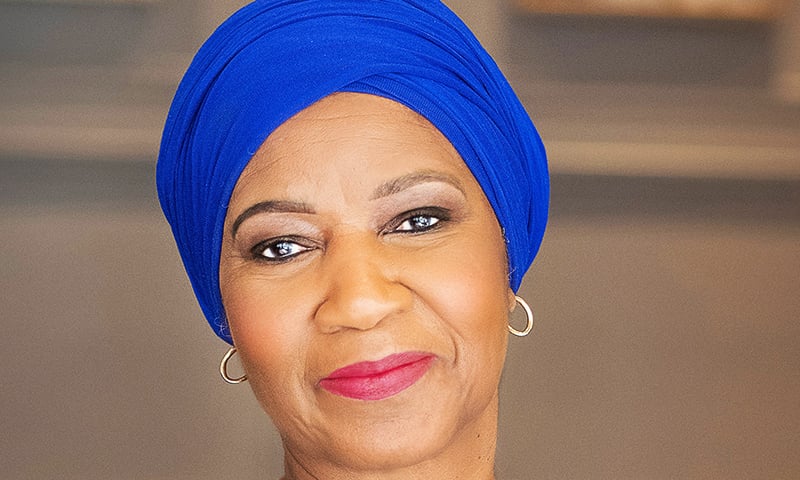

The United Nations has called for rape — which it has termed "an intolerate cost to society" — to be made universally illegal, noting that "most perpetrators of rape go unreported or unpunished".
A statement by UN Women Executive Director Phumzile Mlambo-Ngcuka on the International Day for the Elimination of Violence against Women reported that currently "more than half of all countries do not yet have laws that explicitly criminalise marital rape or that are based on the principle of consent".
It was recognised that to hold rapists to account, the capacity of law enforcement officials to investigate such crimes will have to be strengthened. Additionally, a support mechanism for survivors through the criminal justice process must be provided "with access to legal aid, police and justice services as well as health and social services, especially for women who are most marginalised".
The executive director, in her statement, said that if she could have one wish, it would be for the world to see "a total end to rape".
"That means a significant weapon of war gone from the arsenal of conflict, the absence of a daily risk assessment for girls and women in public and private spaces, the removal of a violent assertion of power, and a far-reaching shift for our societies," she said.
Mlambo-Ngcuka called to attention the fact that rape is never "an isolated brief act". "It damages flesh and reverberates in memory. It can have life changing, unchosen results — a pregnancy or a transmitted disease. Its long-lasting, devastating effects reach others: family, friends, partners and colleagues."
She said that the act forms the basis for women to decide to move from communities for "fear of attack or the stigma" that survivors have to face. In such a situation, women and girl refugees "risk unsafe transport and insecure living conditions that can lack locked doors, adequate lighting and proper sanitation facilities".
On the other hand, young girls married off while still being children in search of increased security, "can get caught up in legitimised conditions of rape, with little recourse for those wishing to escape, such as shelter and safe accommodation".
In-Depth | Crimes against women: The stories we all forgot
Her statement noted that in the vast majority of countries, the most risk of sexual violence comes from a current or former husband, partner or boyfriend". For millions, "home is not a safe place".
The crime more often than not remains "unreported and unpunished" because it requires, on the victim's part, "a great deal of resilience to re-live the attack, a certain amount of knowledge of where to go, and a degree of confidence in the responsiveness of the services sought" — if there are any.
"In many countries, women know that they are overwhelmingly more likely to be blamed than believed when they report sexual assault, and they have to cope with an unwarranted sense of shame." Owing to this "stifling of voices", there is "continuing impunity for perpetrators", said the statement.
According to the statement, "only a small fraction of adolescent girls who experience forced sex seek professional help". Of these, less than 10 per cent contact the police.
To counter this, the UN entity has recommended an increase in number of women in the police workforce.
"Having more women in police forces and training them adequately is a crucial first step in ensuring that survivors begin to trust again and feel that their complaint is being taken seriously at every stage of what can be a complex process."
Additionally, the many institutional and structural barriers, patriarchal systems and negative stereotyping around gender that exist in security, police and judicial institutions, will have to be tackled, according to the statement.
"Those who use rape as a weapon know just how powerfully it traumatises and how it suppresses voice and agency. This is an intolerable cost to society. No further generations must struggle to cope with a legacy of violation. We are Generation Equality and we will end rape!" the statement concluded by saying.