At least 13 killed, 865 wounded overnight in Karbala as Iraqi police open fire on protesters

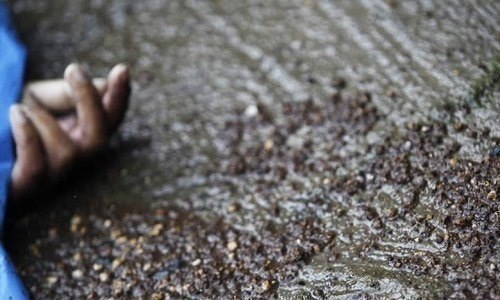
At least 14 people were killed and 865 wounded overnight after Iraqi security forces opened fire on protesters in the holy city of Kerbala, medical and security sources told Reuters on Tuesday.
Three protesters died in the southern city of Nassiriya from wounds sustained in earlier protests, medical sources said.
Read: What is happening in Iraq?
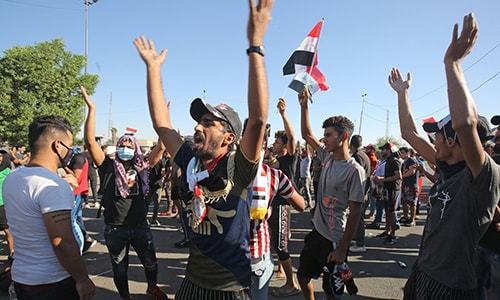
Iraqis took to the streets for a fourth day on Monday in a second wave of protests against Prime Minister Adel Abdul Mahdi's government and a political elite they say are corrupt and out of touch. The total death toll since the unrest started on October 1 is now at least 250 people.
The unrest, driven by discontent over economic hardship and deep-seated corruption, has broken nearly two years of relative stability in Iraq, which from 2003 to 2017 endured a foreign occupation, civil war and an insurgency by the militant Islamic State group.
Security forces fired tear gas at school and university students on Monday who defied a warning from Prime Minister Adel Abdul Mahdi and joined thousands in Baghdad protesting against his government.
Soldiers were seen beating high school students with batons in two Baghdad districts. A Defence Ministry statement condemned the incident and said the soldiers did not represent the Iraqi army as a whole. It did not say if they would be punished.
Populist Shia cleric Moqtada al-Sadr, who backs parliament's largest bloc and helped bring Abdul Mahdi's fragile coalition government to power, called on Monday for early elections after a curfew was announced in the capital Baghdad.