Eight rescue stations planned along KP highways, motorways


 2
2
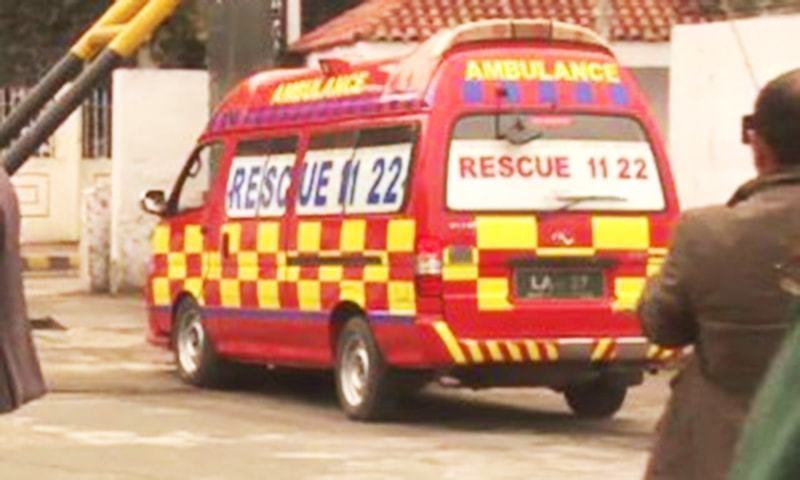
PESHAWAR: The Khyber Pakhtunkhwa government has decided to set up eight satellite rescue stations along major highways and motorways in the province to save lives and reduce disabilities in case of traffic accidents.
Officials told Dawn the United States Agency for International Development would provide Rs139.2 million for putting those facilities.
Currently, proper emergency rescue services aren’t available along highways in the province and in cases of accidents, emergency rescuers are sent in from nearby districts but they often take time to reach there and thus, leading to loss of lives.
Officials say initiative to help prevent deaths, disabilities in case of traffic accidents
The officials said the relief, rehabilitation and settlement (RRS) department would establish satellite rescue stations.
RRS secretary Mohammad Abid Majeed told Dawn that a large number of accidents took place on highways and motorways due to driving mistakes and poor vehicle condition.
He said in most cases, public transport vehicles were involved in traffic accidents.
Mr Majeed said there was no dedicated ambulatory service either to take care of the injured or to transport them to hospitals promptly along major highways.
He said the decision to set up satellite rescue stations had been made in light of that issue. The secretary said the initiative put in place necessary mechanisms to tackle cases of road accidents along major highways of the province.
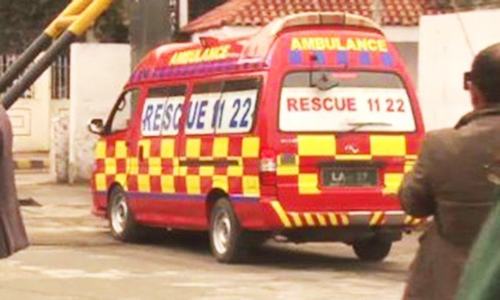
He said large ambulances, which were able to cater to six to eight people, would be deployed at proposed stations, while staff trained in accident trauma and necessary equipment would also be there.
Mr Majeed said his department had initially proposed eight such facilities in the province with the USAID funding their establishment and the government providing the required staff to them.
He said other major highways would also get such stations in future as the chief minister had ordered the provision of such services across the province from Kohistan to Dera Ismail Khan.
The secretary said the rescue stations would provide services round the clock and that his department was in contact with the National Highway Authority to get land to place shipping containers for rescue station offices and sheds for ambulances.
He said Rescue 1122 would execute the project.
Under the plans, the rescue stations will be established at the midpoint of Kohat-Bannu Road and Sarai Gambila on the Indus Highway, midpoints of Peshawar and Mardan and Mardan and Swabi on M-1, midpoint of Katlang interchange and Malakand tunnel on Swat Expressway, Lowari Tunnel on N-45 highway and Saria Saleh interchange on Hazara Motorway.
Mobile operating theatre ambulances with container offices and trauma staff will be round the clock available at those facilities to provide emergency medical care to victims of traffic accidents due to the distance from major hospitals.
The project’s PC-1 document shows that the rescue stations will help reduce loss of human lives, effectively respond to traffic accidents and reduce disabilities in case of road incidents and other emergencies.
It said the pre-hospital emergency services were virtually non-existent on major highways and motorways of the province and there was a dire need for the provision of modern emergency rescue services, which involved the provision of pre-hospital medical care in traffic accidents.
“The project shall reduce disability and death by providing timely and professional rescue and medical care to the victims of accident and medical emergencies,” it said.
Published in Dawn, October 27th, 2019