Sri Lankan series



THE return of international limited-overs cricket to Pakistan finally became a reality with the arrival of the Sri Lankan cricket team last week and the subsequent ODI series that has been won 2-0 by the hosts.
The three-match ODI series in Karachi will now be followed by an equal number of T20 games in Lahore, thus making this 13-day tour by the Islanders the longest by a front-ranking cricket team to Pakistan since March 2009 when a harrowing terrorist attack on the Sri Lankan team’s bus suspended international cricket activity at home.
Read: Sri Lanka Cricket says received terror attack warning ahead of Pakistan tour
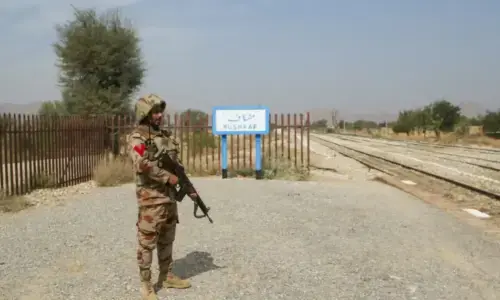
Though 10 leading Sri Lankan players opted out of the tour citing security reasons, and heavy rain threatened to scuttle the matches, the series has still given hope to fans that international cricket is returning to Pakistan.
There have been signs of this happening.
The recent visit by Cricket Australia’s CEO Kevin Roberts and its security head Sean Carroll as well as the forthcoming trip of deputy ICC chairman Imran Khwaja to witness the T20s in Lahore next week is good news.
Credit for this ought to be given to the PCB that has worked hard to convince the ICC and member cricket boards to consider Pakistan as a safe country for the game. However, more than the PCB or the ICC, Pakistani fans perhaps owe a debt of gratitude to the Sri Lankans themselves for agreeing to undertake this landmark tour, especially in view of what they experienced in 2009.
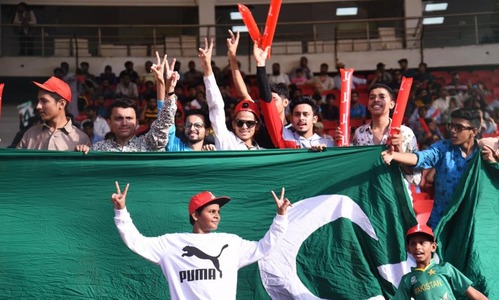
Having said that, the authorities should have ensured that crowds filled the National Stadium.
Unfortunately, heavy security, needless road blocks and steep ticket prices discouraged many fans who watched the matches on their television screens and mobile sets.
Analysts will vouch for the fact that in past decades, cricket was a catalyst for uniting a nation split along multiple ethnic, religious and ideological fault lines.
It is essential to revive that spirit of unity and provide easy access to playing venues for the public to come together and enjoy the game.
Published in Dawn, October 4th, 2019