HIV/AIDS reaching epidemic level in Shahkot tehsil: report


 1
1
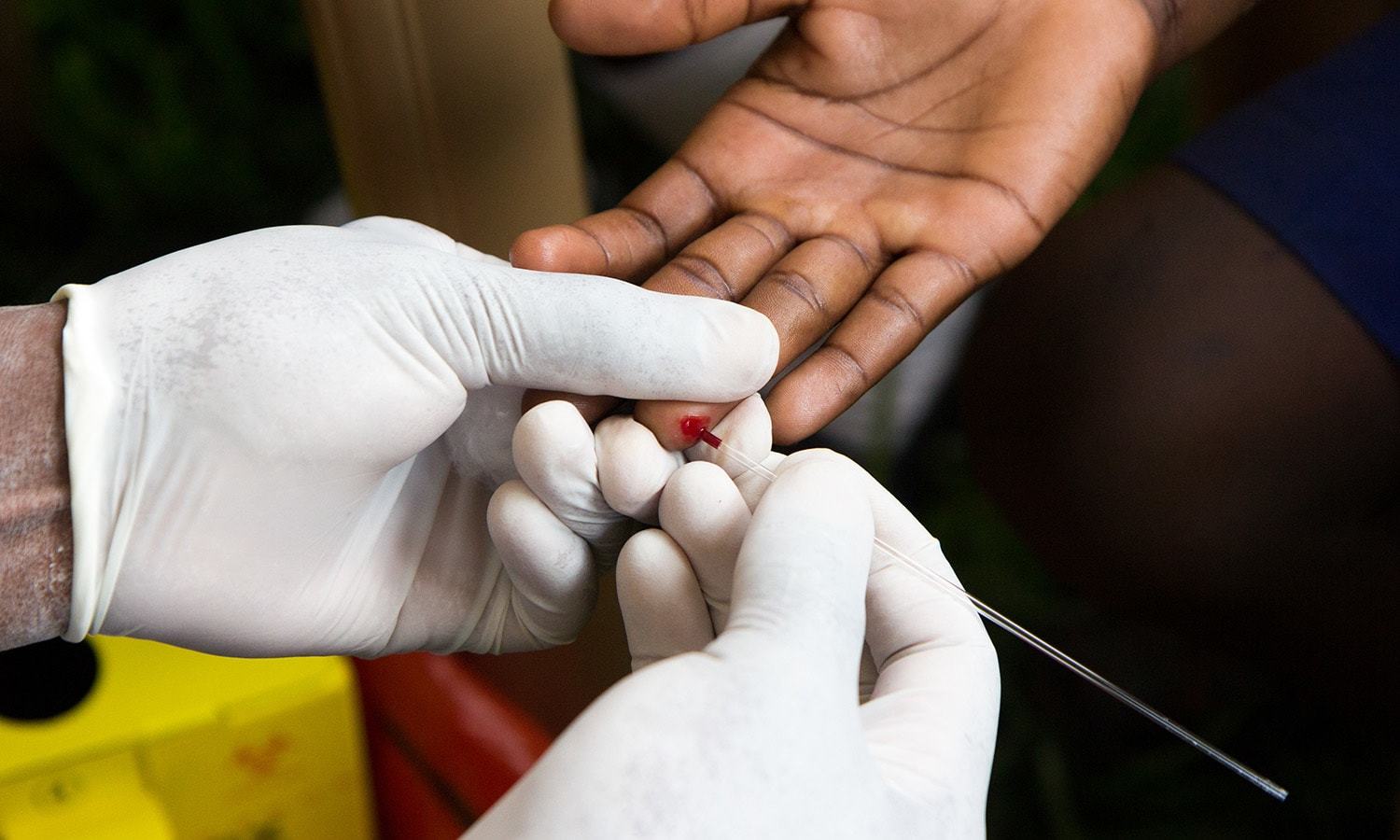

LAHORE: A law enforcement agency, in its report to the Punjab government, has stated that the proliferation of HIV/AIDS in Shahkot, a tehsil of Nankana Sahib district, has reached the verge of an epidemic.
In its report sent to the chief minister recently, the agency unveiled that the number of HIV/AIDS cases has reached 140 in Shahkot after 85 more people tested positive for the virus this year.
According to the World Health Organisation, HIV, the virus that causes AIDS, is one of the world’s most serious public health challenges.
The agency has pointed out that the district authorities lacked facilities to cater to the health needs of the large number of people who tested positive for the virus. It stressed the need for a detailed province-wide survey to assess the situation, fearing that the virus was spreading fast and some HIV cases may be going unreported.
Security agency tells govt 140 tested positive since Sept 1, 2018
“A survey of the field staff of this agency has revealed that HIV virus (AIDS) is spreading rapidly in Shahkot of district Nankana Sahib,” reads the report.
Of the 140 cases reported in the town of approximately 200,000 people, 54 surfaced from Sept 1 to Dec 31, 2018 while 85 new people tested positive for the virus from Jan 1 to July 27 this year.
The report further revealed that 56 women and a seven-year-old child were among those infected with the virus in Shahkot. Most of the patients belonged to the localities adjacent to Darbar Baba Nau Lakh Hazari, the agency reported.
Explaining the rapid spread of the disease, the report stated that 399 people underwent screening after the district health authorities arranged a camp on July 24 to assess the health status of the Shahkot residents. Of them, 11, including seven women, tested positive for HIV/AIDS.
“The spread of HIV is being caused by use of narcotics, brothel houses, immoral activities of transgender persons, use of non-sterilised equipments by health practitioners -- including quacks -- and use of contaminated razors by barbers,” reads the report.
In its recommendations, the agency reported that since the Shahkot THQ Hospital did not have facilities to treat HIV patients, necessary human and financial resources and equipment may be provided to it to build its capacity to cope with the situation.
The local administration and health department may be directed to check quacks, and other illegal and unauthorised elements operating in the area to stop spread of the virus. The agency feared that the situation might be similar in other areas of the province regarding the rapid spread of HIV/AIDS, putting others at risk of contracting the disease.
“The authorities at provincial level may arrange a survey throughout the province to assess the situation elsewhere,” the agency concluded.
Published in Dawn, August 29th, 2019