IoK police arrest newspaper publisher over 1990 case in midnight raid


 32
32
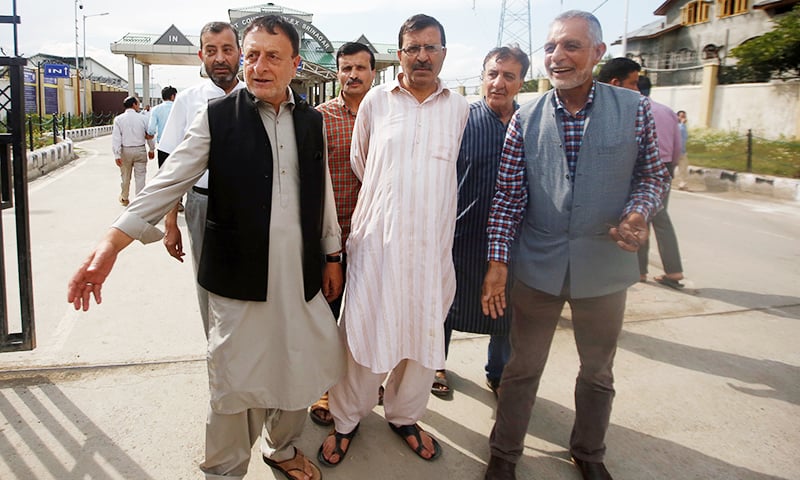

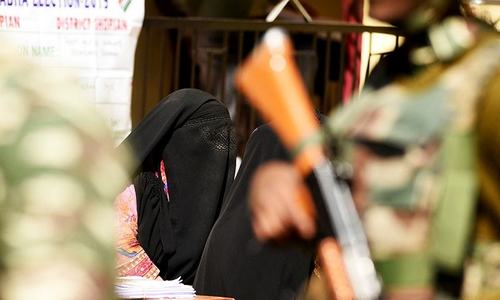
Police in Indian-occupied Kashmir arrested the publisher of one of the most widely read newspapers in the area in a midnight raid over a decades-old case, police and his brother said on Tuesday, highlighting the difficulties plaguing media in the region.
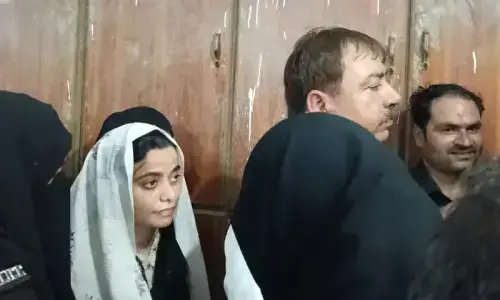
Ghulam Jeelani Qadri, 62, a journalist and the publisher of the Urdu-language newspaper Daily Afaaq, was arrested at his home in the region's main city of Srinagar, half an hour before midnight on Monday.
“It is harassment,” his brother, Mohammad Morifat Qadri, told Reuters. “Why is a 1993 arrest warrant executed today? And why against him only?” Qadri was released on bail after a court appearance on Tuesday.
The case dates from 1990, when Qadri was one of nine journalists to publish a statement by a group fighting against Indian rule in Kashmir. An arrest warrant for Qadri was issued in 1993, but it was never served.
Qadri had visited the police station involved in the arrest multiple times since the warrant was issued, most recently in 2017 to apply for a passport, his brother added.
Asked why Qadri was arrested at night, Srinagar police chief Haseeb Mughal told Reuters: "Police were busy during the day."
The Kashmir Union of Working Journalists condemned the arrest, saying it seemed to be aimed at muzzling the press.
"Qadri was attending the office on a daily basis and there was absolutely no need for carrying out a midnight raid at his residence," it said in a statement.
Journalists in Kashmir find themselves caught in the crossfire between the Indian government and fighters battling for freedom from Indian rule.
Both sides are stepping up efforts to control the flow of information, with the situation at its worst in decades, dozens of journalists have told Reuters.
India is one of the world's worst places to be a journalist, ranked 138th among 180 countries on the press freedom index of international monitor Reporters Without Borders, with conditions in IoK cited as a key reason.