



 0
0

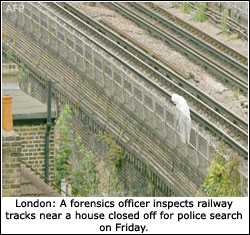 LONDON, July 22: British police called for sweeping new powers on Thursday — including holding terrorism suspects for up to three months without charge — after a second wave of bombings struck London’s transport system. “The terrorist attacks in London on July 7 and today provide an opportunity for us to reflect on our systems and practices to ensure they are sufficient to counter such unprecedented events,” said Ken Jones, head of the Association of Chief Police Officers’ (ACPO) terrorism committee.
“Our counter terrorism legislation is sophisticated and robust — yet practice and experience shows us that nothing is flawless. We now have an opportunity to examine our system and close loopholes to prevent the recurrence of such acts,” he added after meeting Prime Minister Tony Blair.
The government has said it will toughen anti-terrorism laws to include making it an offence to prepare acts of terrorism, incite criminal acts and provide training in the use of dangerous substances.
But ACPO, which coordinates the activities of the country’s 44 police forces, went further.
It called for an extension to the current 14-day period allowed for the questioning of terrorism suspects before they either have to be charged or released.
ACPO also proposed ‘all premises’ search warrants that would allow police to search any property linked to a terrorist suspect and allow the security services to obtain warrants to act overseas.
The police asked for it to be made an offence to plan to cause an explosion in a foreign country and for their own powers — which are currently limited to land — to be extended up to 12 miles offshore.
ACPO also called for stronger search powers at ports, and to be allowed to monitor short flights to and from Europe that currently fall outside police jurisdiction.
In recognition of the increasing use of the internet in planning attacks, ACPO called for powers to attack specified Web sites and for an offence of using them for terrorist purposes.
“This issue goes beyond national borders and requires significant international cooperation. The need for appropriate authority and warranty is implicit,” it said.
Indicating the seriousness of the threat level, ACPO also said it was willing to review its objection to the use of phone tap evidence in court cases.
This is already permitted in most European countries but rejected by British intelligence services on the grounds that it could reveal their operating methods.—Reuters



























